Thank you for your interest in this story
To continue reading this article, subscribe to the Stray Ferret for as little as £1 a week
Already a subscriber? Log in here.
02
Oct
More boreholes, more bottles: Is Harrogate Spring Water paying a fair price?
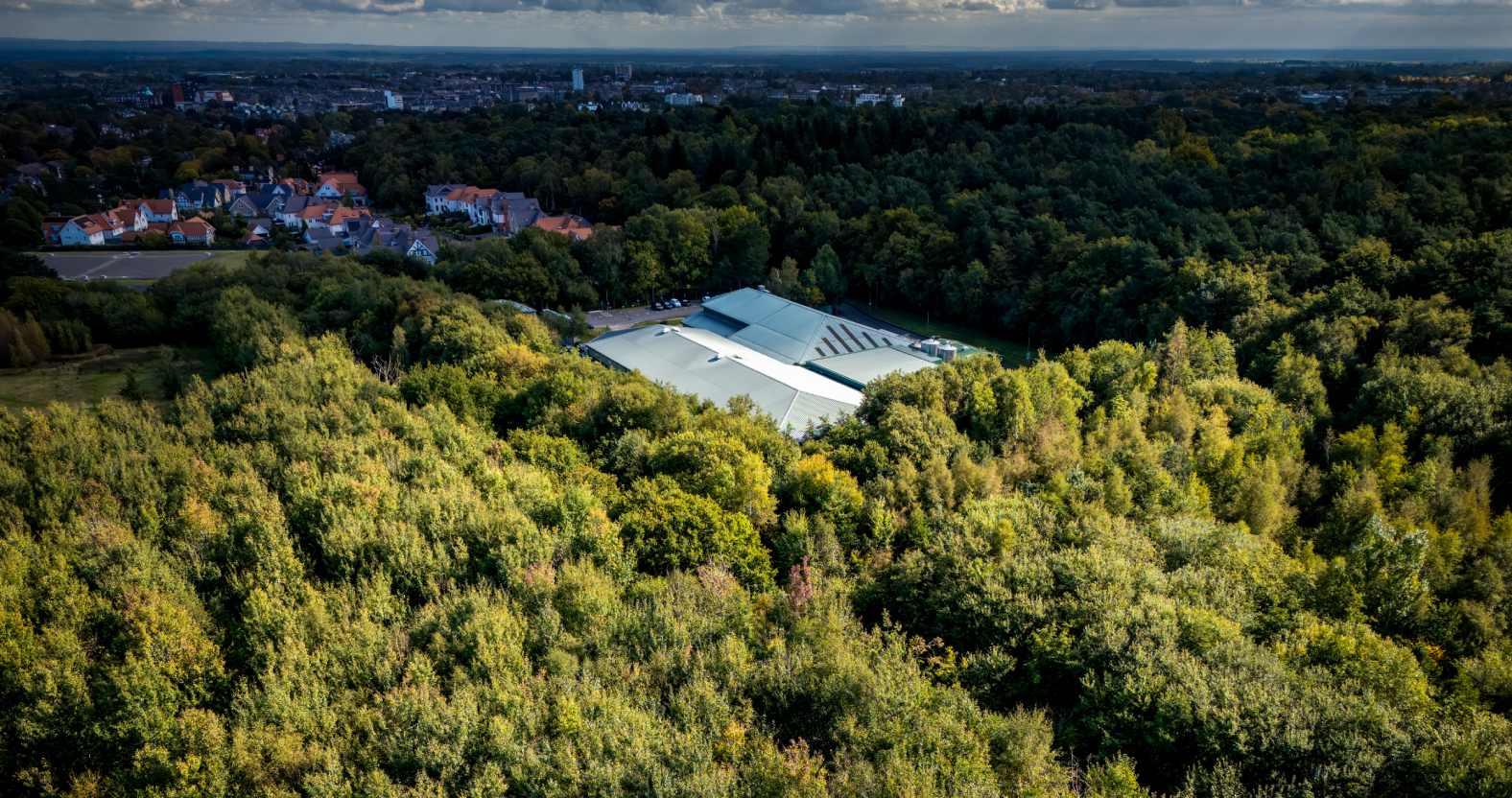
When the Stray Ferret revealed last year that Harrogate Spring Water had applied to construct a new borehole, it raised numerous concerns.
For example, did the company want to extract more of the town’s water — and was it paying a fair price for it?
The Stray Ferret quizzed Harrogate Spring Water managing director Richard Hall about its use of the town’s natural resources this week.
Mr Hall invited us to the company’s Harlow Moor Road headquarters to announce it had decided to appeal North Yorkshire Council’s decision to refuse its factory expansion plans.
The company, part of French multinational Danone, wants to extend into the Pinewoods, which would involve felling 500 trees and planting 3,000 trees elsewhere to offset the loss.

Managing director Richard Hall
Expansion would enable Harrogate Spring Water to double its number of factory production lines from two to four.
It currently operates two lines around the clock — one for plastic bottled water and the other for glass bottled water.
Residents have expressed concerns about more lorries on local roads. The company said having four production would require one extra HGV movement an hour to its Harlow Moor Road factory.
Asked how many bottles it currently produces, it said previous information reported in the Stray Ferret that the figure is between 24,000 and 36,000 bottles per hour “is still correct”.
That means between 576,000 and 864,000 bottles of water are produced each day at the site — enough to fill an Olympic swimming pool every nine days, if the maximum production figure is used.
Where is all this water coming from?
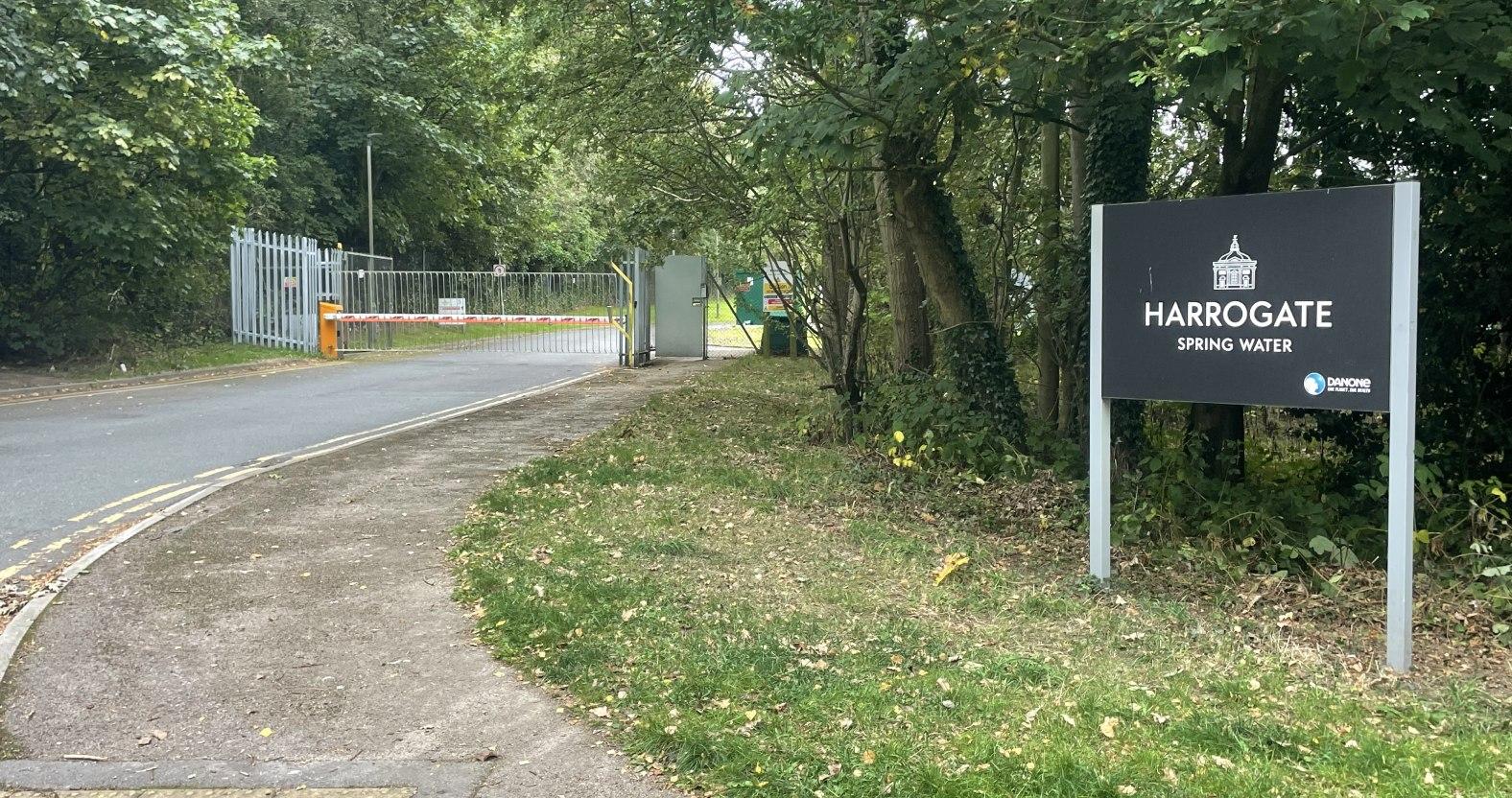
Harrogate Spring Water's Harlow Moor Road headquarters.
Fourth borehole
Harrogate Spring Water’s new borehole at High Warren Farm in Killinghall has been installed and is currently being connected to power, hence the ongoing roadworks on Otley Road.
This is its fourth borehole. The firm has two at its headquarters and a third on Penny Pot Lane and there are no plans to stop using any.
A pipeline is being constructed to transport the water from Killinghall to the headquarters, some three miles away, which has led to numerous roadworks this year. The company says the pipeline should be completed by December.
Harrogate Spring Water pays the Environment Agency £6,348 a year for a licence to extract up to 464 million litres of groundwater a year.
Asked whether this was a fair price for so much water, Mr Hall said: “We don’t set the tariff.”
He said the fourth borehole was necessary for “continuous supply”, and 464 million litres was “currently far above the amount that we actually use”.
But a bigger factory with more production lines and a fourth borehole would surely require more water.
Mr Hall said technological advances meant “there'll be efficiencies we can make in the current usage of water” but added:
Obviously, if we've got more lines, we'll use more water. But we have an extraction licence, and that is currently far above the amount that we actually use. So there's no need for us to change the licence.
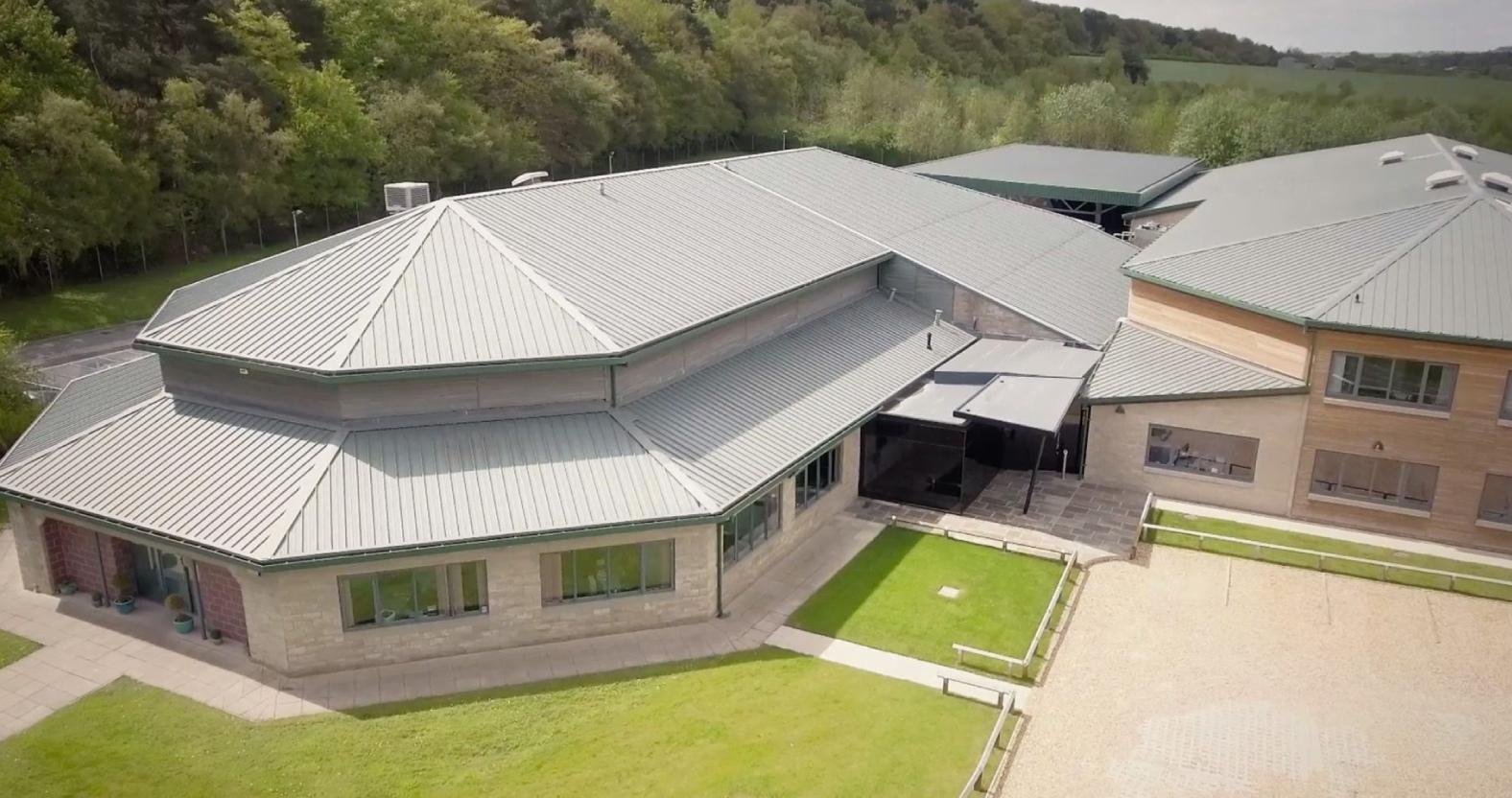
How the proposed extension would look.
Can he guarantee that won't change?
“No, I can't guarantee that because I don't know. I can't see into the future. But there is significant gap between what we currently produce and the licence."
Harrogate Spring Water says the bottled water market is strong, and expansion would enable a successful local brand to grow while creating 50 new jobs and pumping £2.3 million into the local economy each year.
It would also be spreading the Harrogate name.
But the potential loss of trees has already sparked outrage and, as droughts become more frequent, concerns could grow about the amount of water a foreign-owned company, which generated an operating profit of more than £3 billion last year and whose chief executive took home more than £5 million, is taking from Harrogate — and the price it pays for it.
 Harrogate Spring Water: A timeline of attempted expansionLegal battle looms as Harrogate Spring Water appeals Pinewoods refusal‘Silent majority support us,’ says Harrogate Spring Water boss‘Outraged and appalled’: Campaigners prepare to resume battle with Harrogate Spring WaterBoreholes and roadworks: What is happening with Harrogate Spring Water’s pipeline project?
5