28
May
Yorkshire's gateway to London is letting local business down
Dear Reader, this article is free to read. We publish about 100 articles a week all exclusively focused on local news. Please support independent local journalism by subscribing here. It costs as little as 14p a day.
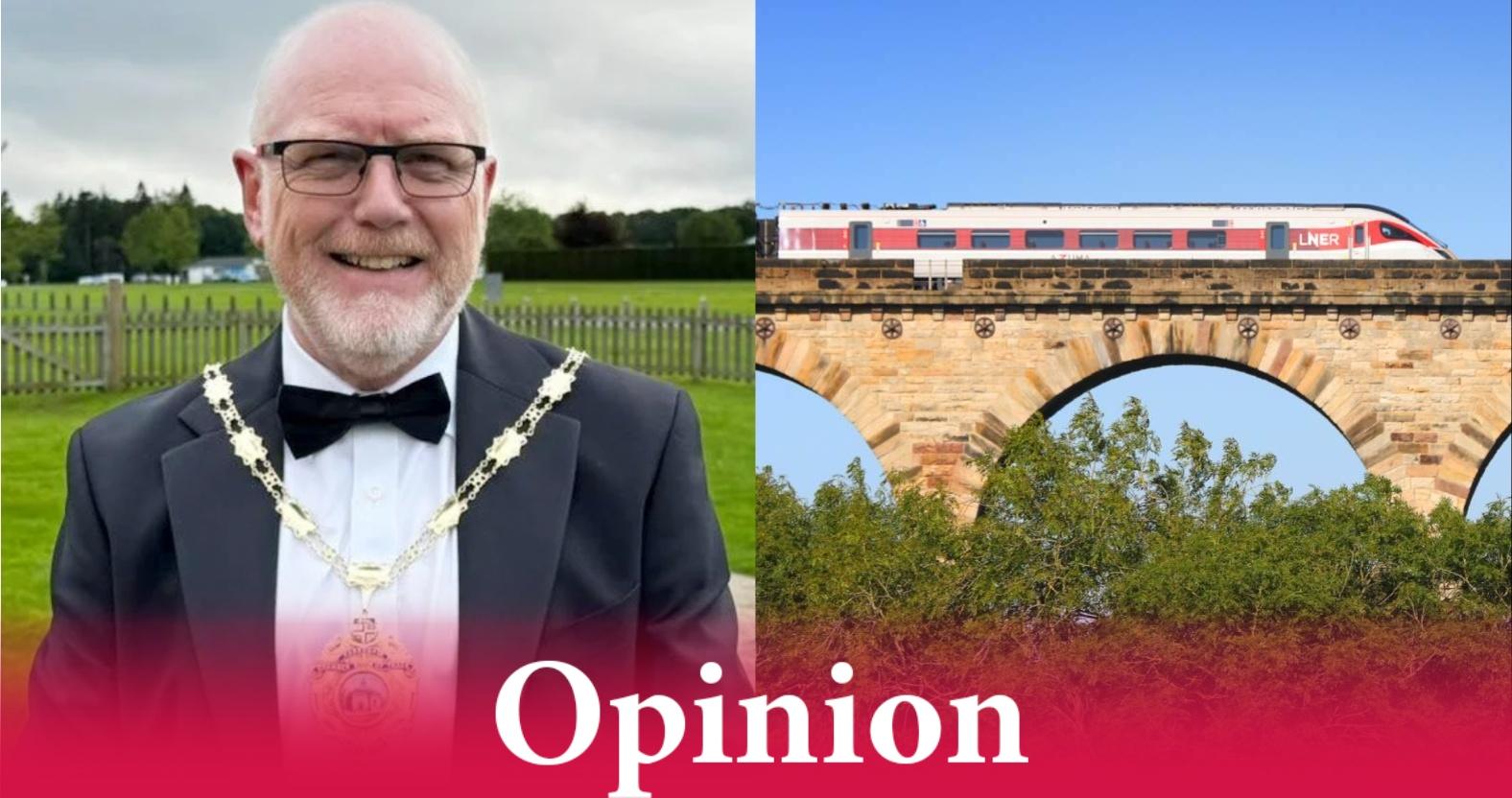
Phillip Holdsworth is the president of Harrogate District Chamber of Commerce and a member of the Harrogate Line Supporters Group. He is vocal about his views on local transport links and has called for better commuter services between Harrogate and London King's Cross.
Harrogate is, by any measure, a serious business town.
Home to one of the UK’s leading conference and exhibition venues, a thriving professional services sector, and a hospitality offering that attracts millions of visitors each year, it punches well above its weight on the national stage.
But there is a persistent and growing problem that too few politicians are willing to confront honestly: the rail connection between Harrogate and London is simply not good enough for the businesses and passengers that depend upon it.
As president of the Harrogate District Chamber of Commerce, I am calling today for that to change.
The launch of the LNER Azuma service in 2019 was genuinely celebrated. For the first time, Harrogate had a regular, direct link to the capital, with a two-hourly service in both directions.
It was a hard-won achievement, championed tirelessly by the late Brian Dunsby, founding chair of the Harrogate Line Supporters Group and one of the most dedicated advocates this town has ever produced.
But the Azuma connection alone is not enough, and without urgent improvements to the Northern services feeding into and out of Leeds, the London link is being quietly strangled at both ends.
For those hoping to have a full working day in the capital, the timetable offers little comfort even at the start of the day.
The earliest direct service from Harrogate to London does not depart until 06:35. For most people, that means arriving at King’s Cross no earlier than 09:30 and, with the time needed to travel across London to a client’s office or meeting venue, the realistic earliest start for a business meeting is 10:00 or later.
Half the working morning is already gone before the first handshake.
For the professional services sector where client time is billable and every hour matters, this is not a minor inconvenience. It is a genuine competitive disadvantage when compared with colleagues based in cities with earlier, more frequent connections to the capital.
My chamber members feel this acutely.
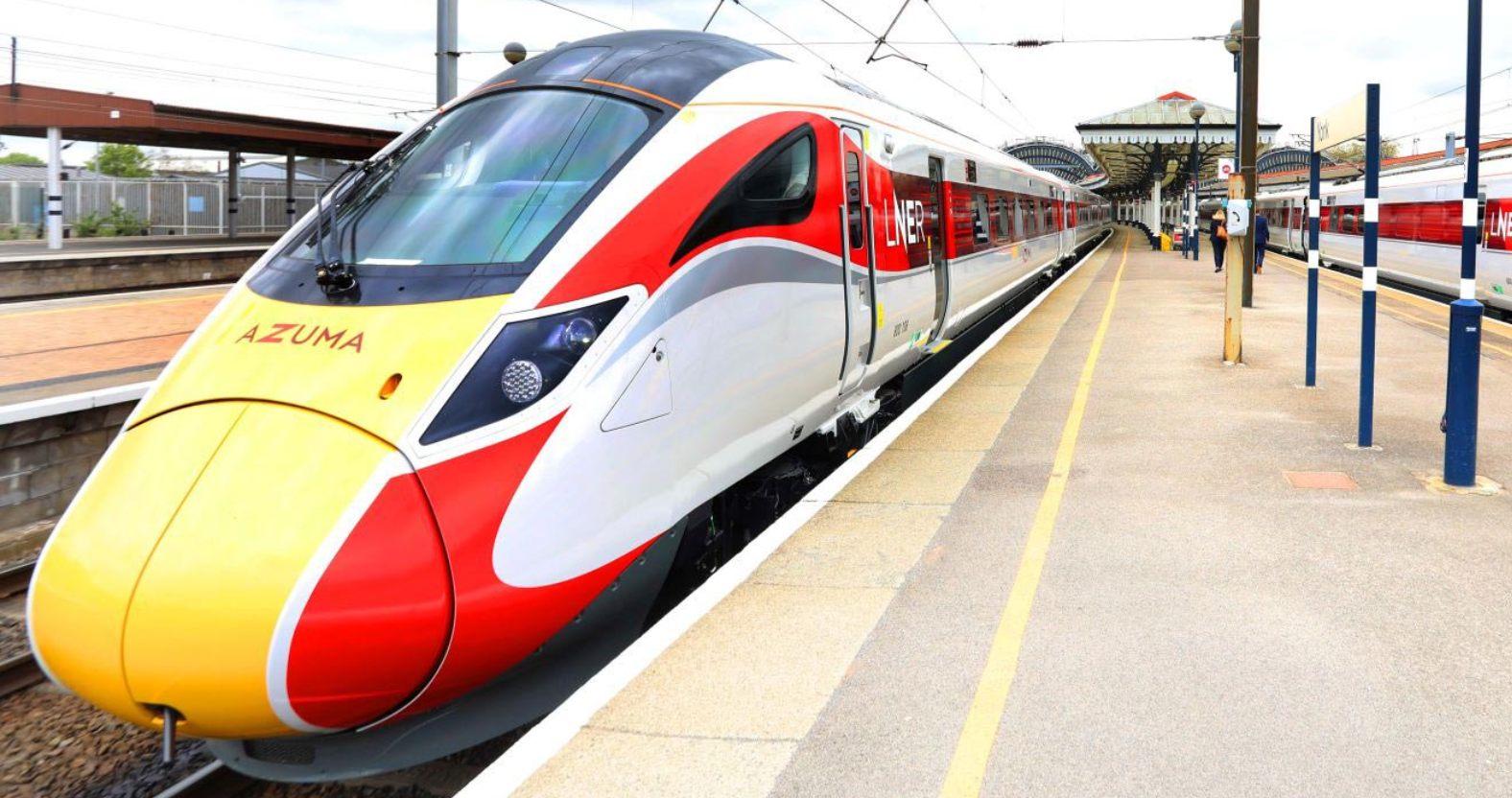
An LNER Azuma train
The return home
Here is the reality that every regular traveller on this line knows: an LNER passenger arriving into Leeds from London King’s Cross in the evening can face a wait of up to an hour for a Northern connection to Harrogate or Knaresborough. One hour!
While virtually every other evening route out of Leeds operates on a 30-minute basis, the Harrogate line stands alone in offering passengers hour-long gaps in its timetable.
The last departure from Leeds to Starbeck or Knaresborough is at 21:36 — an hour at which many a business dinner, conference reception or networking event is still very much in full swing.
For conference delegates travelling up from London for events at the convention centre, this is a serious deterrent.
The economic cost of that lost connectivity is real, measurable and entirely avoidable.
York station and Leeds Bradford Airport
Compounding these service failures is a significant infrastructure setback.
Plans for a third line at York station — a long-discussed and much-needed improvement — have been quietly shelved. This directly impacts Harrogate line passengers.
York is the northern terminus for Harrogate line services and a critical interchange point on LNER’s east coast main line.
With only the existing platforms available, any disruption on the east coast main line has an immediate and disproportionate knock-on effect on Harrogate services waiting to arrive at or leave the station.
A third line would have provided the operational breathing room to absorb those pressures.
Without it, passengers on the Harrogate line remain unnecessarily exposed to delays that originate elsewhere on the network and that a modest infrastructure investment could have prevented. I am asking those responsible for that decision to reconsider it.
And then there is the stalled promise of Leeds Bradford Airport parkway: a new halt on the Harrogate line that would have given Yorkshire’s principal international gateway its first-ever rail connection, transforming the journey options for business travellers flying in and out of the region.
Investment was agreed, plans advanced. And then, inexplicably, the project ground to a halt.
Yorkshire remains the only major English region whose airport has no rail link.
That is not a quirk of geography, it is a failure of political will, and it is one I intend to challenge directly.
I am calling today, clearly and publicly, for urgent action on three fronts:
First, the introduction of additional services on the Harrogate line — both earlier morning departures and additional evening services — to eliminate the gaps that are costing our businesses time and money at both ends of the day.
Second, an unconditional recommitment to the Leeds Bradford Airport parkway station, with a firm, funded and public delivery timetable.
Third, the reinstatement of plans for a third platform at York, recognising that infrastructure investment is the foundation upon which reliable services are built.
Harrogate is open for business. I am asking that the railway makes the same commitment.
 Commuter concerns over changes to London-Harrogate trainsNew direct trains between Harrogate and London to start from this weekendI have a confession — I liked the original Station Gateway plansCouncil hits the brakes on emoji speed signs in North YorkshireJet2 offers fuel reassurance to Leeds Bradford holidaymakers
1