Thank you for your interest in this story
To continue reading this article, subscribe to the Stray Ferret for as little as £1 a week
Already a subscriber? Log in here.
09
Oct
Yorkshire in drought again, but no water restrictions planned just yet
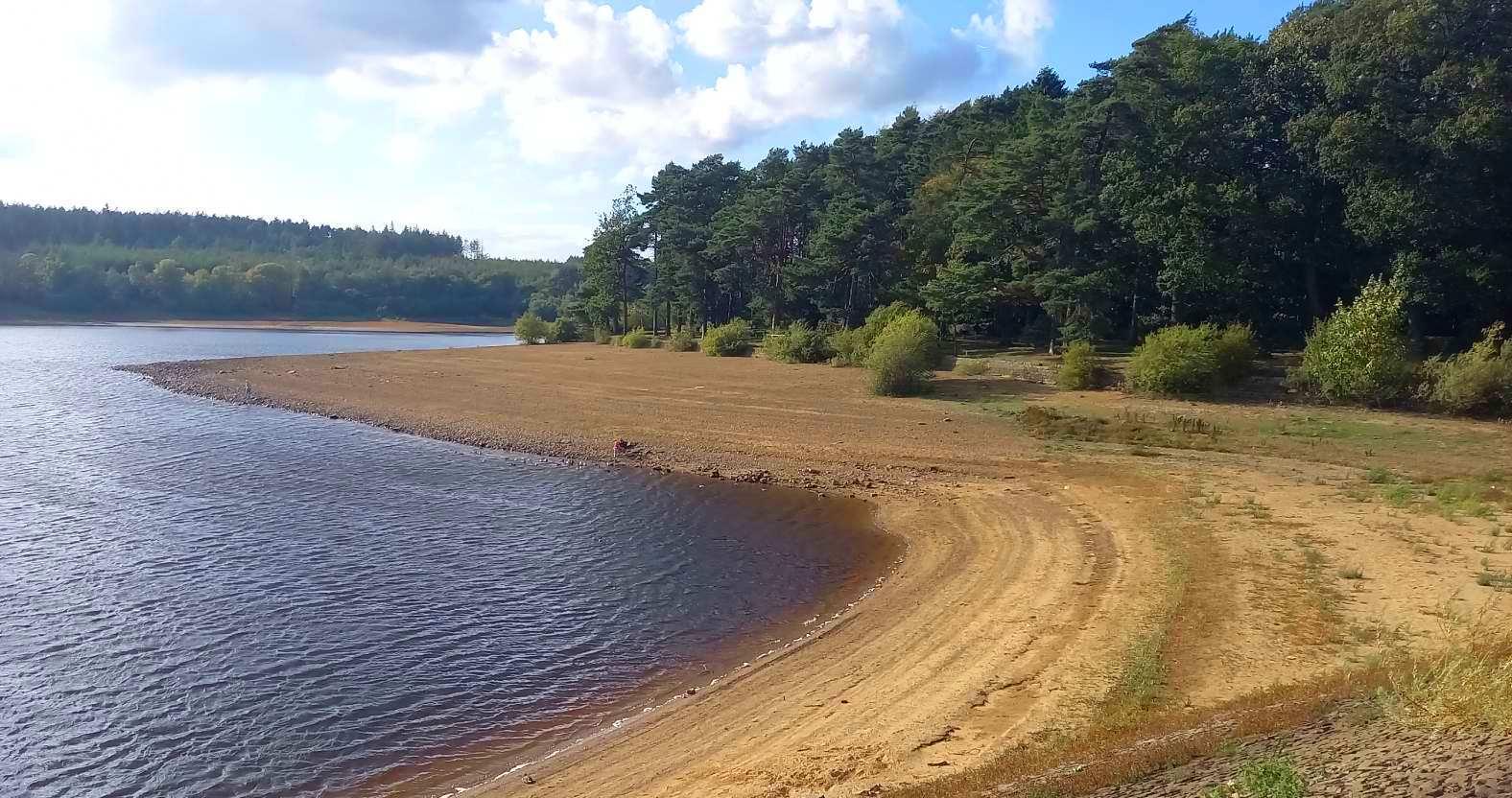
Yorkshire officially entered drought status today (Friday, October 9), but Yorkshire Water says it is not planning to introduce water restrictions for customers.
The Environment Agency's declaration of drought today follows its declaration at the end of July of 'prolonged dry weather' for the area, due to a lack of spring and summer rainfall.
Yorkshire joins all of central, southern and eastern England in drought status, while the North East and North West remain in 'prolonged dry weather'.
Vicki Townend, the area environment manager for the Environment Agency in Yorkshire, said:
The Yorkshire area has had the fifth-driest April to September on record. This ongoing lack of rainfall means the flow in rivers and groundwater levels in certain parts of our area are very low and have now reached our trigger for declaring a drought.
Even if we receive a few weeks of rain, we cannot quickly reverse the effects of the lack of rainfall during a very dry spring and summer. We will continue to closely monitor the situation and implement our Yorkshire Drought Plan.
As we see more impacts from climate change, heavier rainfall and drier summers will become more frequent. We encourage people to be aware of the impacts of drought and use a little less water to speed up the recovery from drought.
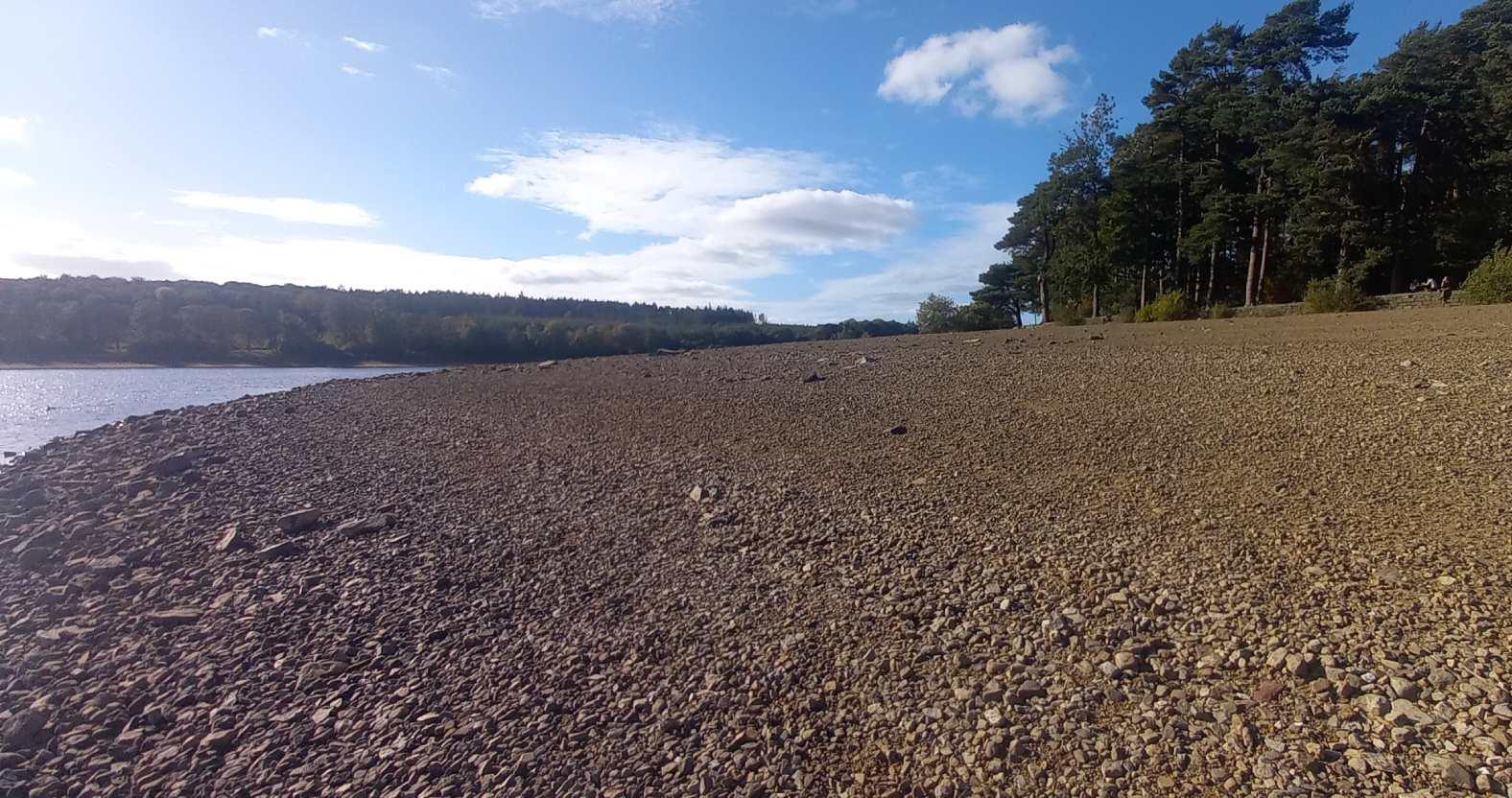
Swinsty Reservoir last week. Normally in autumn, all of this 'beach' would be covered submerged by the water.
Across Yorkshire, current reservoir stocks sit at 42.7%, below where they were at this point in 2025 (52.9%).
But in our area, the situation is worse – the Nidderdale reservoirs (Angram and Scar House, which supply water to Bradford, plus Gouthwaite) are only 34.7% full, and the reservoirs in the Washburn Valley (Thruscross, Fewston, Swinsty and Lindley Wood, which supply water to Leeds) are less than one third full (32.9%).
Andy Shaw, head of water production, treatment and energy at Yorkshire Water, said prolonged dry weather had placed continued pressure on reservoirs, groundwater sources and rivers across the region, but added:
The Environment Agency's decision to move Yorkshire into drought reflects these conditions, but it does not mean water restrictions are currently needed.
Through careful management of our water resources, extensive work to reduce leakage and the operation of our regional water network, we are not planning to introduce water restrictions for customers at this time.
Winter rainfall will be important in helping reservoir and groundwater levels recover, and we will continue to monitor conditions closely.
The government and the Environment Agency are continuing to scrutinise water company actions and ensure they are adhering to their statutory drought plans to conserve supplies and support communities.
The National Drought Group, which includes the government, Met Office, regulators, water companies, farmers, Canal & River Trust, anglers, and conservation experts, is now meeting weekly to monitor the situation and coordinate action as part of the heightened incident response.
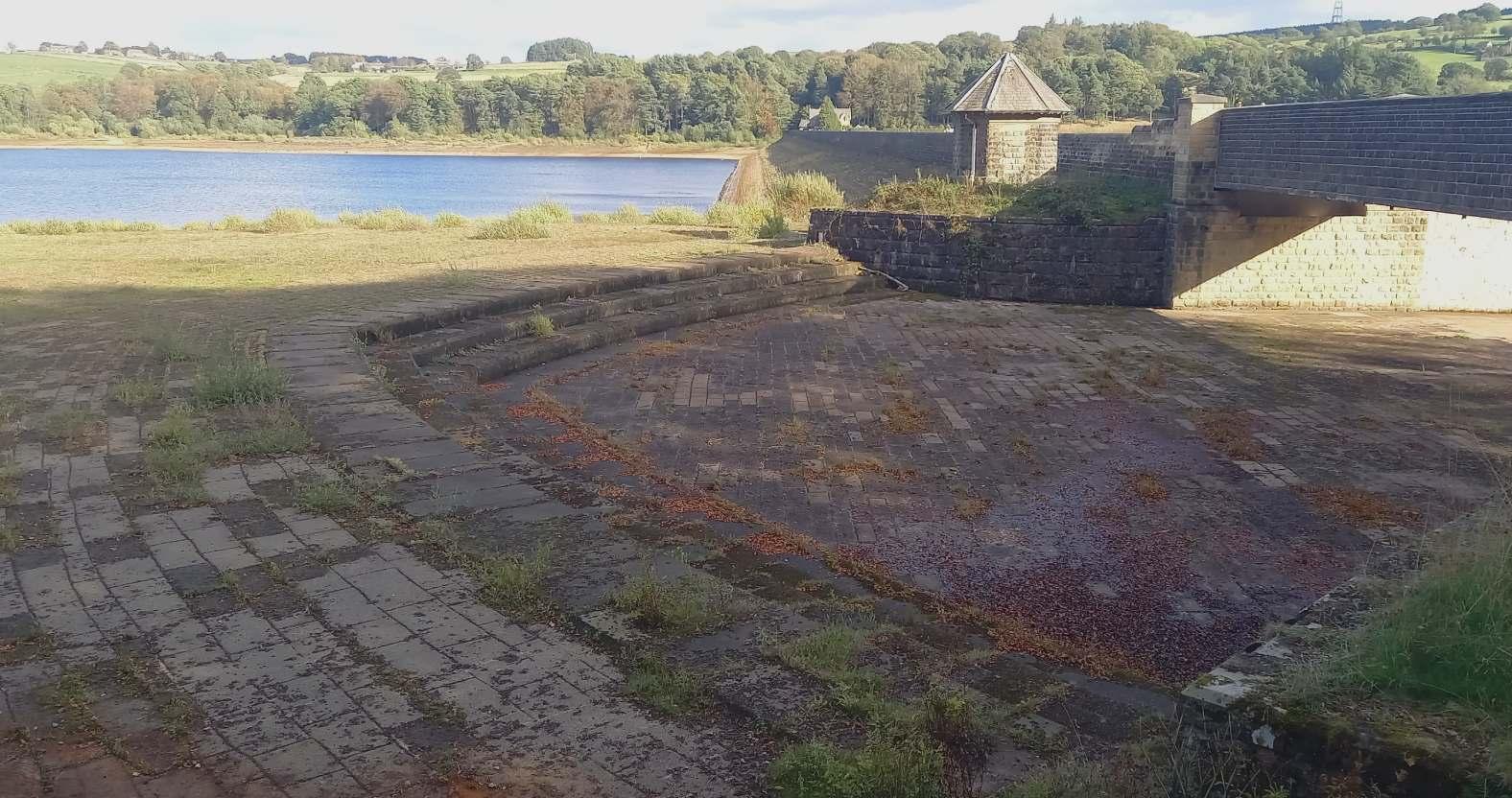
The spillways at Swinsty Reservoir: completely dry in autumn 2026.
Water Minister Emma Hardy said:
The recent rainfall is not yet enough to replenish all the water we’ve used over the spring and summer, and the Yorkshire drought declaration highlights the situation is still serious.
The Government is carefully monitoring the actions of all water companies, and expect them to follow their drought plans, quickly fix leaks, and reduce demand.
Long-term resilience against our changing climate is a priority for this government. Our strengthened Water Bill will start a decade-long journey to a very different water system, including nine new major reservoirs to secure supplies.
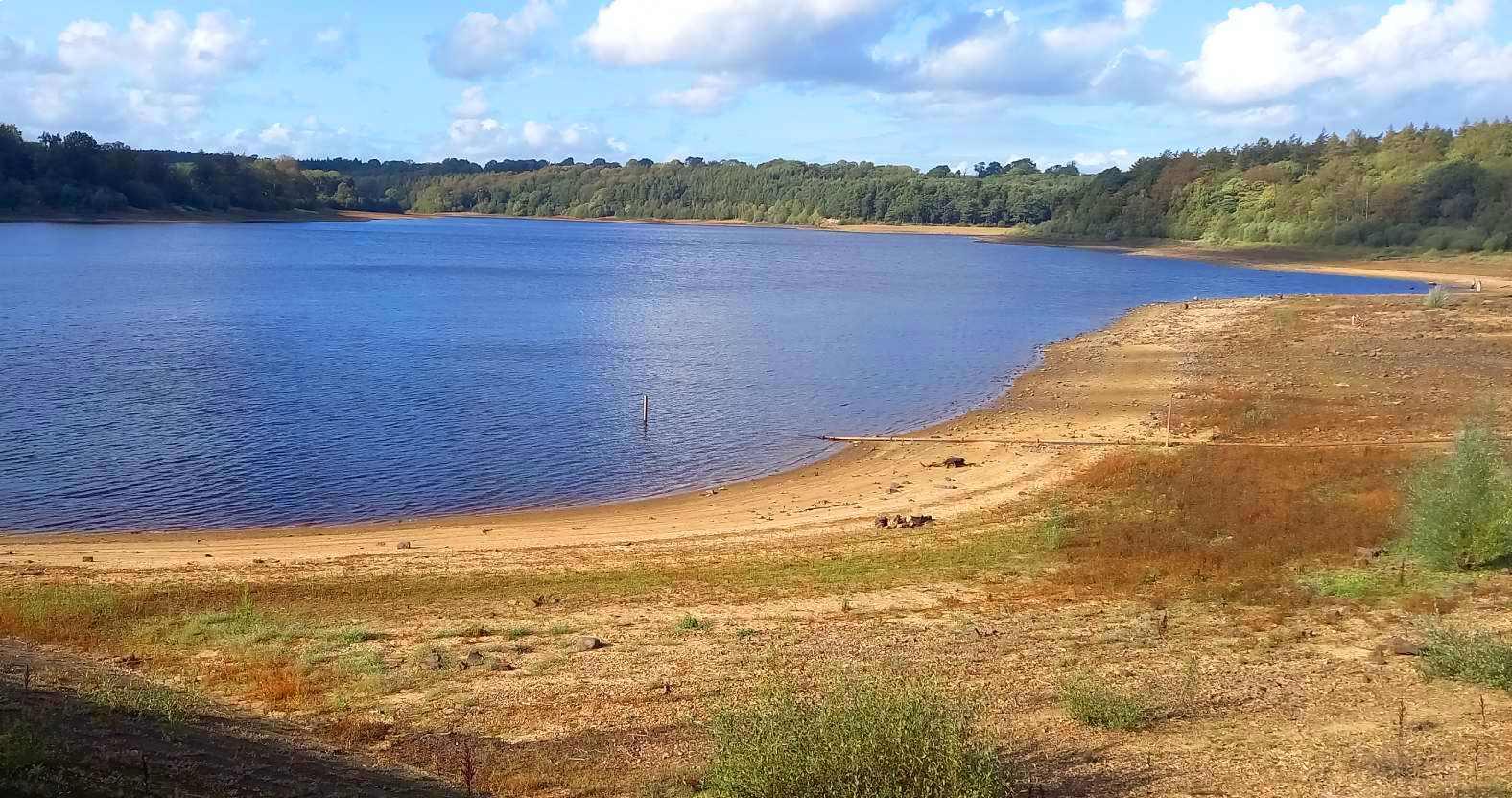
Washburn Valley reservoirs, including Swinsty, are less than one third full, according to Yorkshire Water.
The Environment Agency said that due to the changing climate, there have been three droughts in the past five years – 2022, 2025 and now 2026.
A press release announcing the new drought status stated:
As a result of climate change, we are experiencing longer hotter summers and more intense rainfall in winters, leading to an increased likelihood of drought and flooding events.
Droughts can happen at the same time as flooding. While droughts are caused by a shortage of available water due to low rainfall over a period of time, floods can happen with intense rainfall events during the same time.
The Environment Agency closely monitors both the risk of flooding and the risk of drought and is ready to respond to both ongoing drought conditions through its drought plans and any flooding incidents that may be experienced.
Although Yorkshire Water is not currently planning to introduce restrictions on customers' water usage, it is encouraging people to be careful.
Yorkshire Water's Andy Shaw added:
Water demand remains unusually high for this time of year, so we are asking customers to continue using water wisely wherever possible. Small actions such as shorter showers, running full washing machine loads and checking for leaks at home can make a real difference.
At the same time, our teams continue to work around the clock to reduce leakage, maximise water supplies and ensure homes and businesses across Yorkshire continue to receive the water they need.

0