Thank you for your interest in this story
To continue reading this article, subscribe to the Stray Ferret for as little as £1 a week
Already a subscriber? Log in here.
21
Nov
Ripon named ‘sinkhole capital of Britain’ in new BBC documentary
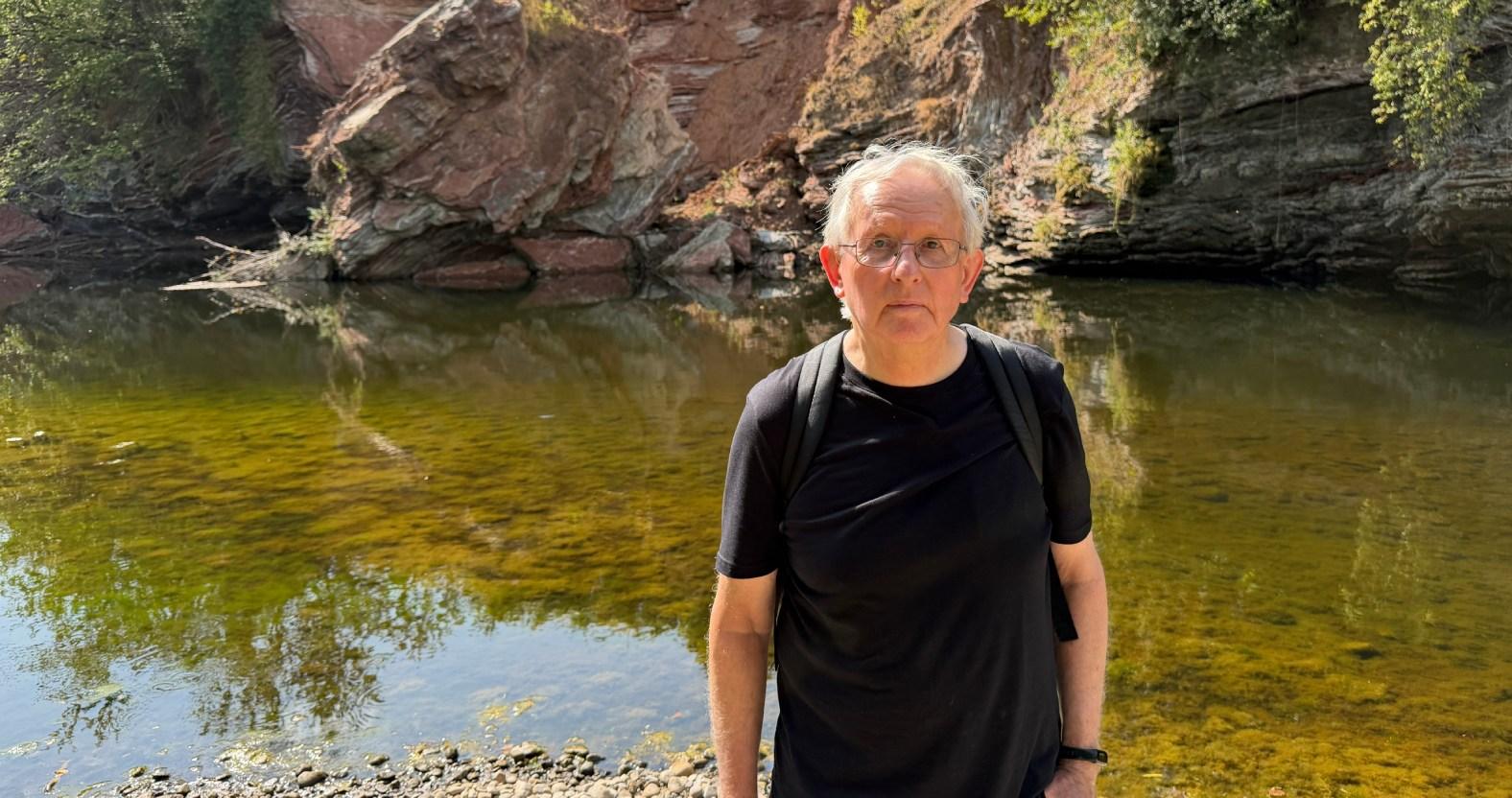
Ripon will be described as the ‘sinkhole capital of Britain’ in a new BBC Two documentary exploring why sinkholes are an increasing threat to towns and cities around the world.
Why Sinkholes Collapse examines the geological processes behind sinkholes, with footage of geologist Anthony Cooper explaining why Ripon is particularly vulnerable.
The Stray Ferret frequently reports on sinkholes in Ripon.
On Friday (November 20), we revealed that a lock on Ripon Canal had been closed due to a suspected hole opening up.
We reported on homes in the city being evacuated in May and have frequently covered the massive increase in cost of building the leisure centre because of ground instability.
The hour-long programme opens with dramatic footage of a huge sinkhole that opened up in Bangkok in September last year, before drawing comparisons with the geological conditions beneath Ripon.
The narrator says: “The ground collapses so often here that it’s been called the sinkhole capital of Britain.”
Mr Cooper, who has been studying the area since 1978, is filmed on the banks of the River Ure in Ripon, where a sinkhole has caused a cliff above the waterway to collapse.
He explains that around 40 metres of gypsum – a rock that dissolves to form underground cavities – lies beneath much of the city.
Because gypsum dissolves relatively quickly, underground caves can gradually develop and their roofs eventually collapse, creating sinkholes at the surface.
“In Ripon, every two or three years another building gets damaged and demolished, so it’s an ongoing thing,” Mr Cooper says.
The documentary also investigates how natural geological processes, ageing infrastructure, burst water pipes and excessive groundwater extraction can contribute to ground collapses in the UK and elsewhere in the world.
Why Sinkholes Collapse will be broadcast on BBC Two on Thursday, November 26, at 9pm.

0