Subscribe to trusted local news
If you are accessing this story via Facebook but you are a subscriber then you will be unable to access the story. Facebook wants you to stay and read in the app and your login details are not shared with Facebook. If you experience problems with accessing the news but have subscribed, please contact subscriptions@thestrayferret.co.uk. In a time of both misinformation and too much information, quality journalism is more crucial than ever. By subscribing, you can help us get the story right.
- Subscription costs less than £1 a week with an annual plan.
Already a subscriber? Log in here.
22
Sept
Police state or keeping us safe? Live facial recognition makes its debut in North Yorkshire
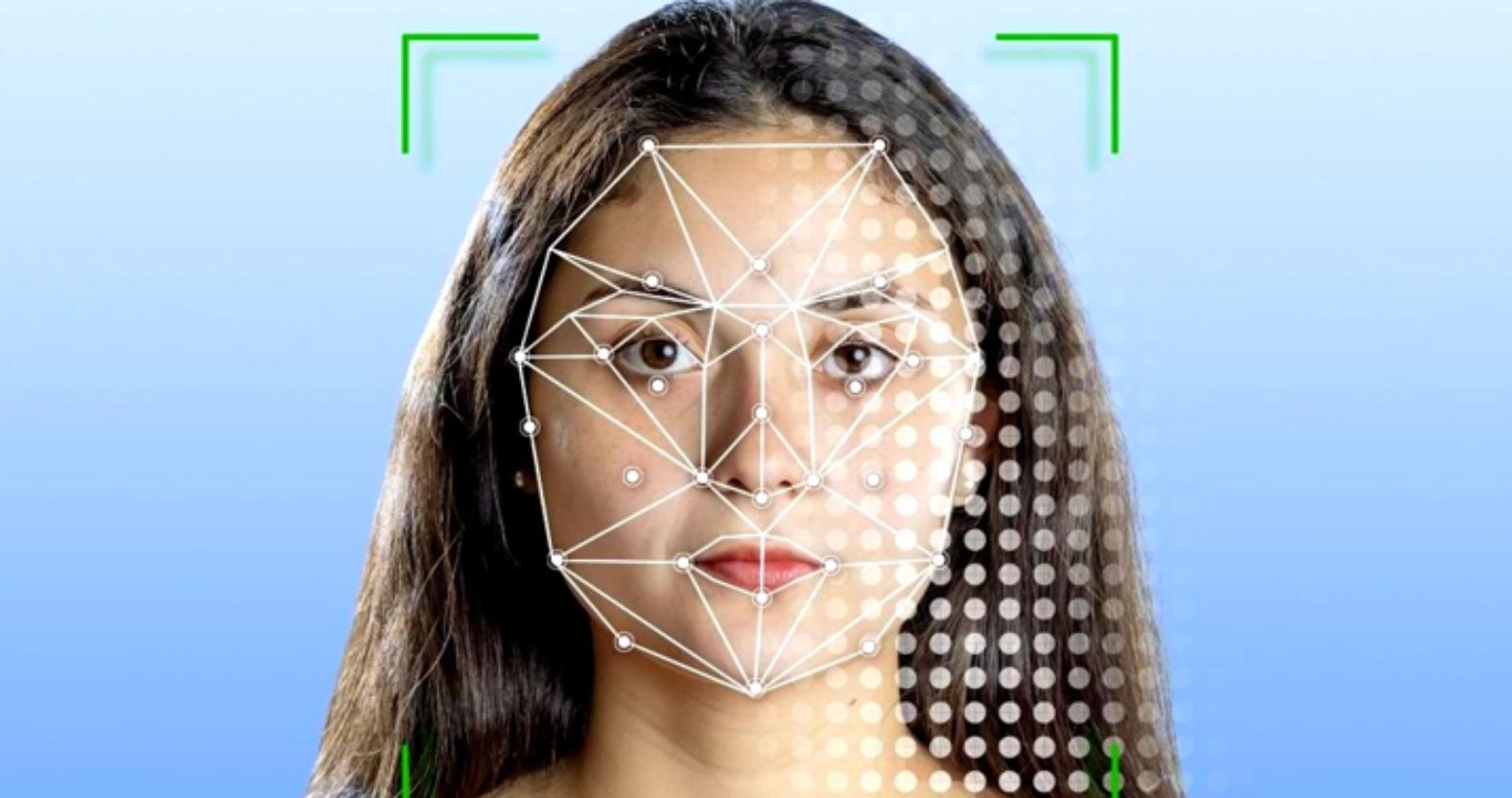
The first ever deployment of live facial recognition (LFR) technology this week by North Yorkshire Police divided opinion within minutes of its announcement.
The chief constable of North Yorkshire Police, Tim Forber, said earlier this year that the force must adopt new artificial intelligence technology, because “the future of policing depends on it”.
But soon after the force published a Facebook post about its first deployment of LFR in York tomorrow (Wednesday, September 23), the comments started rolling in – on both sides of the debate.
“Thank you, NYP, for keeping us safe” said one. “Police state traitors” fumed another.
So are we looking forward to a golden age of instant identification and swift justice, or are we sleepwalking into a nightmare of mass surveillance and destroyed privacy?
The answer, of course, will depend on how the technology is used, and this raises some important questions of a more practical nature.
Who will be observed, and where?
LFR technology scans people's faces as they pass the camera and compares them to a watchlist to find matches.
British Transport Police is currently trialling LFR technology at railway and underground stations, but North Yorkshire Police is more likely to park its LFR vans in town centres or nightlife hotspots.
All deployments will be announced in advance, unless "sudden or exceptional operational circumstances" prevent prior public notice.
When asked during an online public meeting this summer whether people would have a choice about their image being captured by the force’s LFR vans, a senior North Yorkshire Police officer said that everyone would have the option to use a different route, adding:
We won’t be corralling and forcing people through the [LFR] capture. That goes against the authorised professional practice principles.
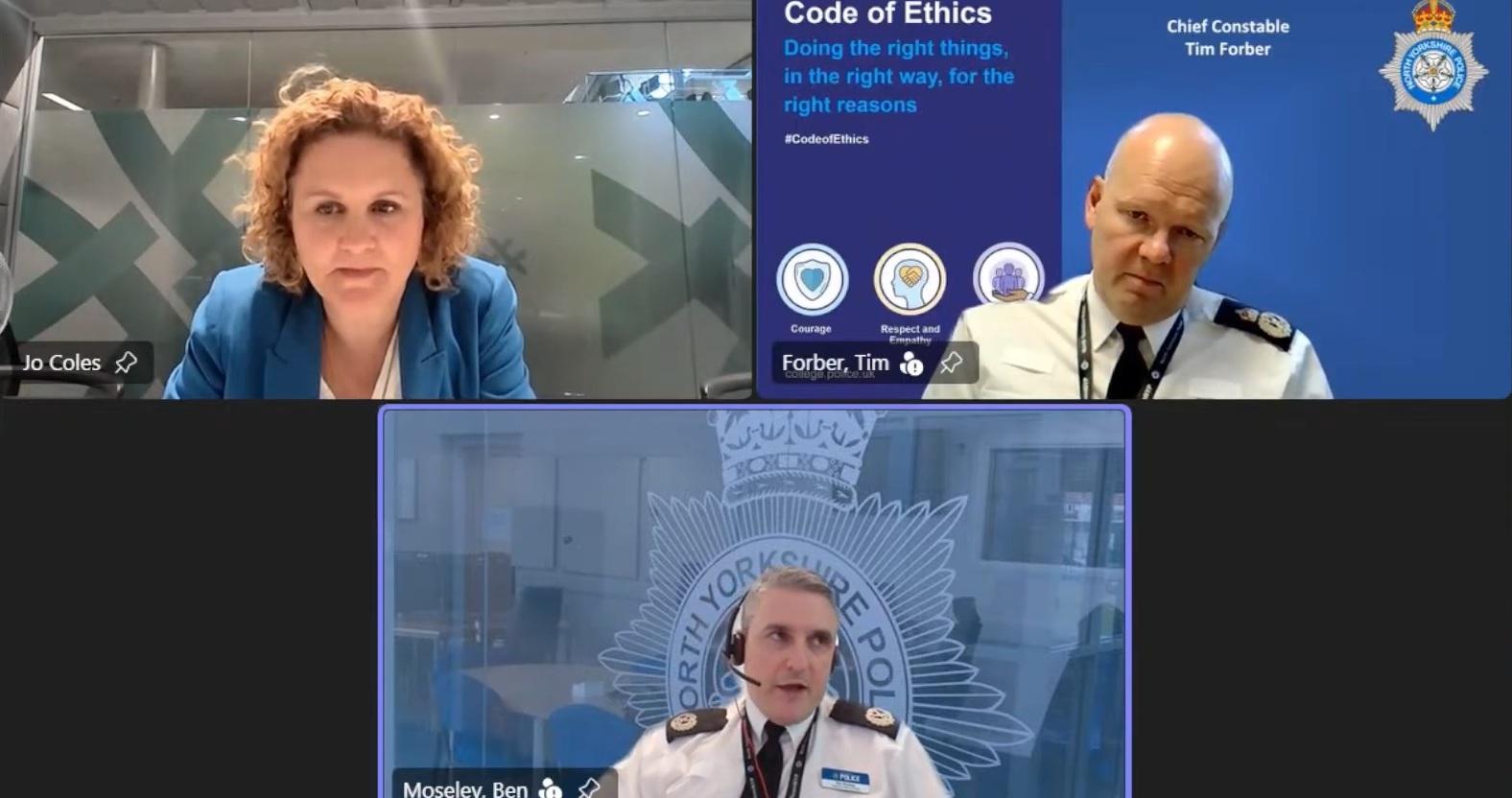
Deputy mayor Jo Coles, CC Tim Forber and ACC Ben Moseley all spoke during the online meeting.
The issue is a particularly delicate one in a country where individual freedoms have traditionally been taken extremely seriously, and at least one force has already fallen foul of the law.
In 2020, a man named Ed Bridges filed a lawsuit with the help of human rights group Liberty against South Wales Police, arguing that its use of automated facial recognition technology, which scanned faces in crowds, invaded his privacy without his consent.
The UK Court of Appeal agreed, and ruled that the system’s use was unlawful and broke privacy, data protection, and equality laws.
Who goes on the watchlist, and is the deployment targeted?
According to North Yorkshire Police, the LFR technology will be “targeting those wanted for criminal offences, those who pose a risk of harm and those wanted by the courts”.
Commenting on its own LFR programme, British Transport Police said:
Our deployments will be intelligence-led, meaning we’ll target the technology to crime hotspots on the network where data shows us there is a likelihood of high harm offenders passing through the location.
What is the error rate, and is there a demographic bias?
If face-match thresholds are set too low, false positive identifications increase, but they tend to fall off sharply as thresholds are raised. When South Wales Police first deployed the technology in 2017, most of its alerts were incorrect, but by 2022, none of them were false.
Similarly, the problem of demographic bias is also being ironed out. When the National Physical Laboratory (NPL) tested LFR technology used in the national police database last year, it found it was more likely to incorrectly match black and Asian people than it did white people.
So the UK’s data protection watchdog, the Information Commissioner’s Office (ICO), raised concerns with the Home Office and National Police Chiefs’ Council (NPCC), which then put mitigations in place, including staff training, oversight reporting, and equality impact assessments.
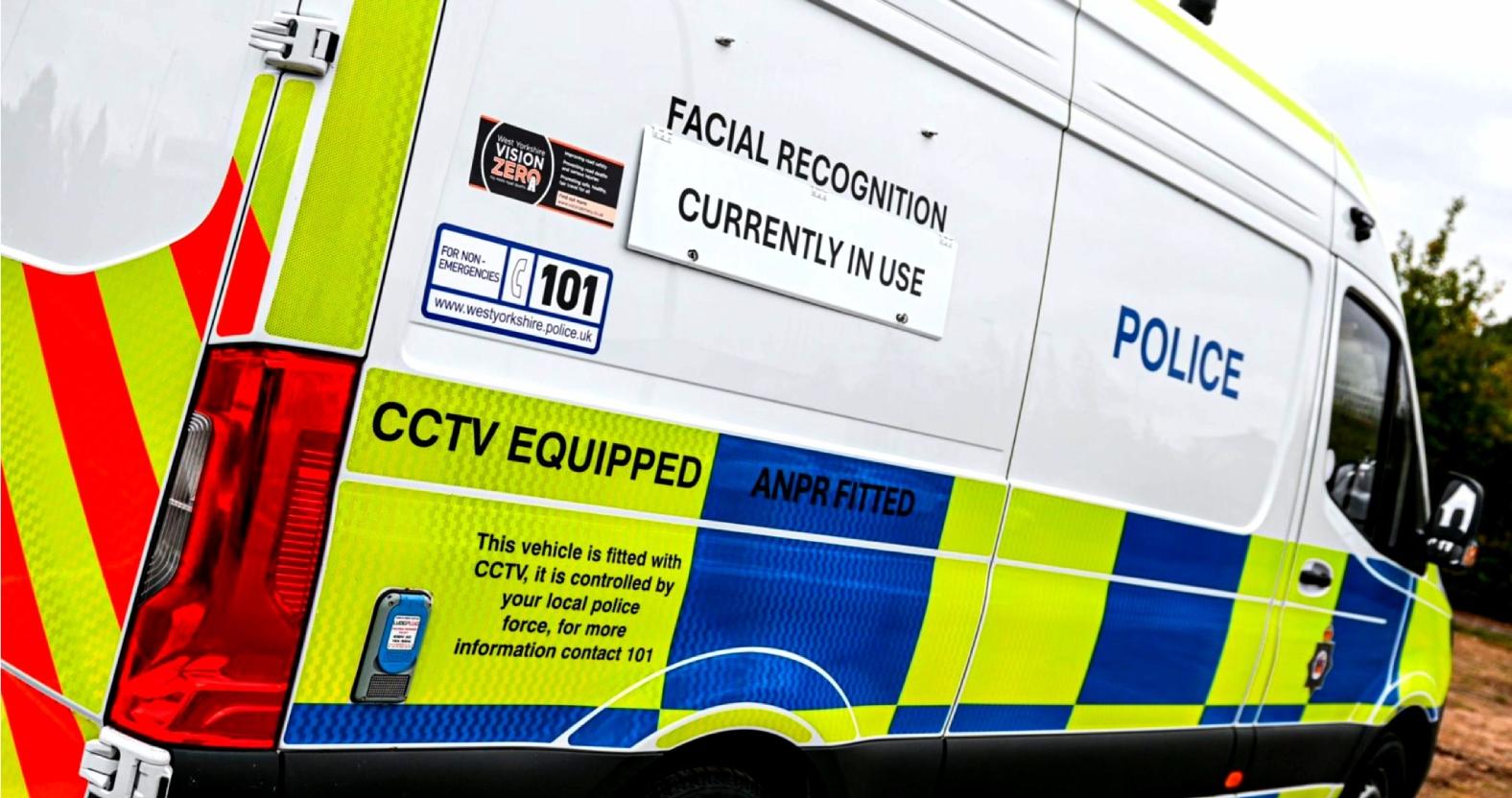
The Information Commissioner's Office says the public must be told when LFR is in use.
How will captured images be stored, and for how long?
Digital images of genuine suspects will presumably be stored indefinitely, but those captured of people not on a watchlist will be deleted “within a fifth of a second”, according to North Yorkshire Police – which may help prevent a recurrence of the Bridges v South Wales Police case.
Who oversees it, and are they answerable to the public?
It may be comforting to people like the Facebook poster who complained of a police state that deployment of the technology is subject to scrutiny and control at every level.
Firstly, the National Police Chiefs' Council's facial recognition technology board provides operational oversight for the use of facial recognition across UK law enforcement agencies. The Equality and Human Rights Commission could be a backstop in cases involving equality and human rights laws.
The Information Commissioner's Office oversees compliance with data protection laws, and the Home Office mandates independent testing for algorithmic bias.
The Biometrics and Surveillance Camera Commissioner is responsible for promoting police compliance with the laws governing DNA and fingerprints and the Surveillance Camera Code of Practice.
And at ground level, North Yorkshire Police has stressed that LFR will be used purely as an intelligence prompt, not an automated decision-maker. In other words, there will always be a “human in the loop”, and all decisions will be made by trained officers.

1