Thank you for your interest in this story
To continue reading this article, subscribe to the Stray Ferret for as little as £1 a week
Already a subscriber? Log in here.
10
Nov
Harrogate's independent businesses are at risk – and the council must do more
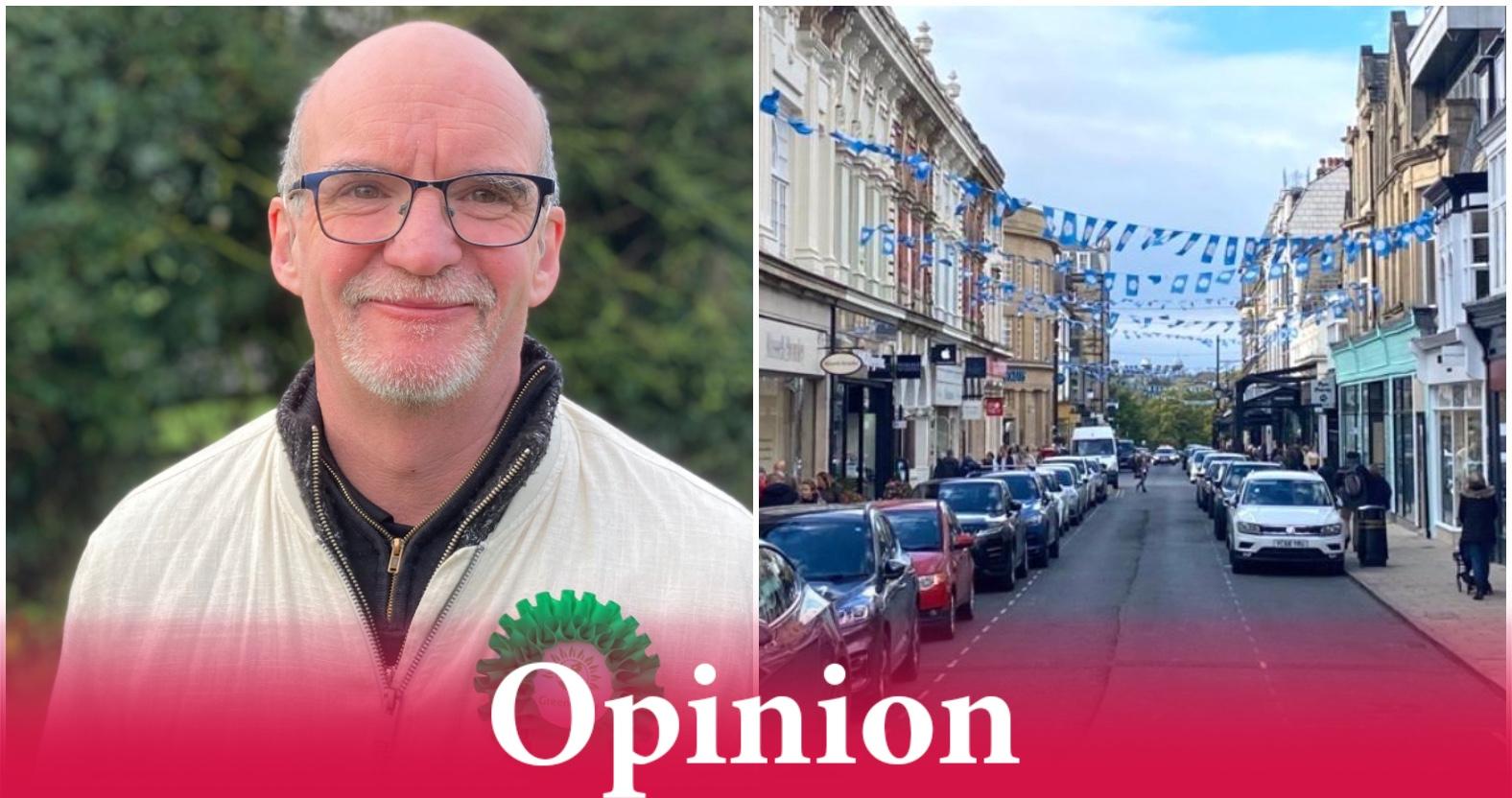
Michael Schofield is the Green Party councillor for Harlow & St George’s on North Yorkshire Council. In this opinion article, he explains why the council should do more to support independent business.
Harrogate's businesses and identity are in danger of being lost.
The closure of Harlow Hill Coffee House at 135 Otley Road is another sad moment for our local community.
Independent businesses are the lifeblood of places such as Harlow Hill. They provide employment, contribute to the local economy, bring people together and help give our neighbourhoods their identity.
Having previously run The Shepherd's Dog, just a few doors away, I understand only too well the challenges of operating an independent business.
I know what it means to worry about wages, energy bills, suppliers, rising costs and whether enough customers will come through the door.
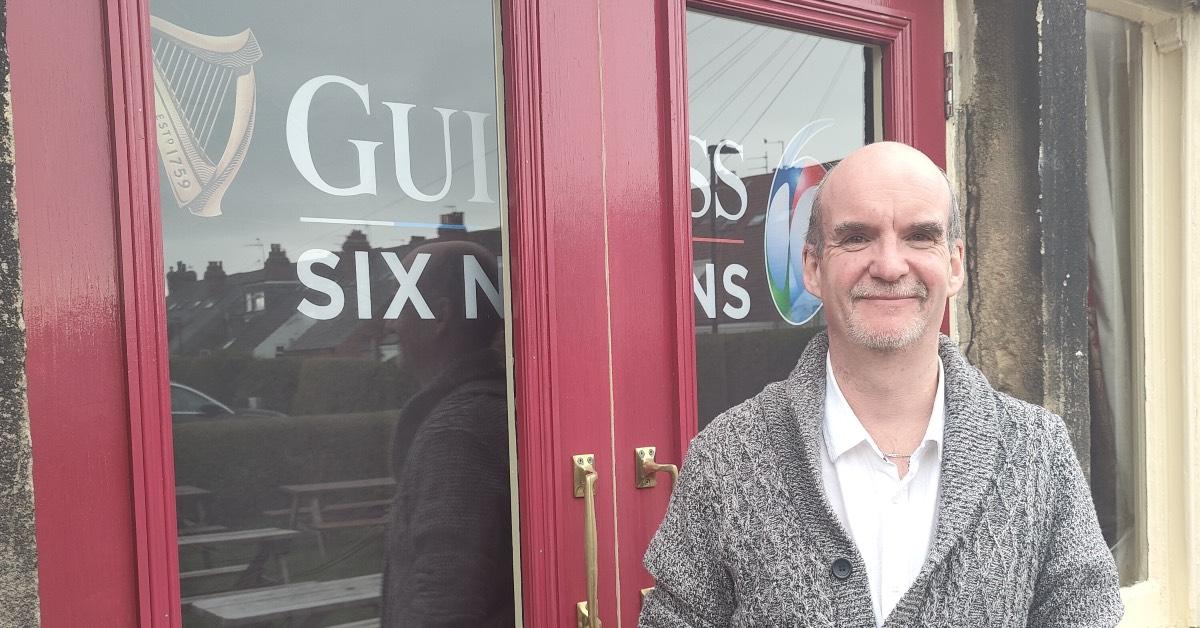
Cllr Michael Schofield at The Shepherd's Dog pub.
And I know that sometimes, despite your best efforts, circumstances beyond your control can make running a business increasingly difficult.
That is why I believe North Yorkshire Council needs to fundamentally rethink its relationship with small businesses.
Roadworks have consequences beyond the highway
Over recent years, Otley Road has experienced considerable disruption from roadworks and infrastructure projects.
Nobody is suggesting that roads should not be maintained, utilities upgraded or essential improvements undertaken.
But every road closure, diversion, restricted access arrangement or prolonged construction project can have a real financial impact on businesses.
Customers change their habits. Passing trade disappears. Deliveries become difficult. People simply decide to go elsewhere.
Meanwhile, the business owner still has to pay the rent, business rates, wages, insurance and utilities.
Those bills do not stop because the council has decided to dig up the road.
I am not suggesting that roadworks caused the closure of Harlow Hill Coffee House. Only its owners can explain the circumstances behind that decision.
But its closure should make us reflect on the wider pressures facing independent businesses and whether our council is doing enough to protect them.
Where are the business impact assessments?
When major infrastructure projects are proposed, we hear about engineering assessments, traffic modelling, environmental considerations and project budgets.
But where is the equally rigorous assessment of the potential financial impact on neighbouring businesses?
Where is the calculation of lost footfall, reduced turnover or the cumulative consequences of repeated disruption?
And, crucially, where is the practical support when a business suffers financially through circumstances entirely outside its control?
I believe meaningful Business Impact Assessments should be a standard requirement for significant or prolonged highway projects.
There should also be a transparent mechanism through which businesses can seek proportionate financial assistance when substantial, demonstrable losses arise from publicly commissioned works.
This is not about writing blank cheques or protecting businesses from normal commercial risks.
It is about recognising that public investment should not unfairly transfer its costs onto individual businesses least able to absorb them.
Harrogate Gateway: a warning we cannot ignore
These concerns become even more pressing when we consider the Harrogate Station Gateway project.
With construction expected to begin in January 2027 and continue into autumn 2028, businesses in the town centre face the prospect of significant disruption.
The council maintains that the project will ultimately improve the town centre and support economic prosperity.
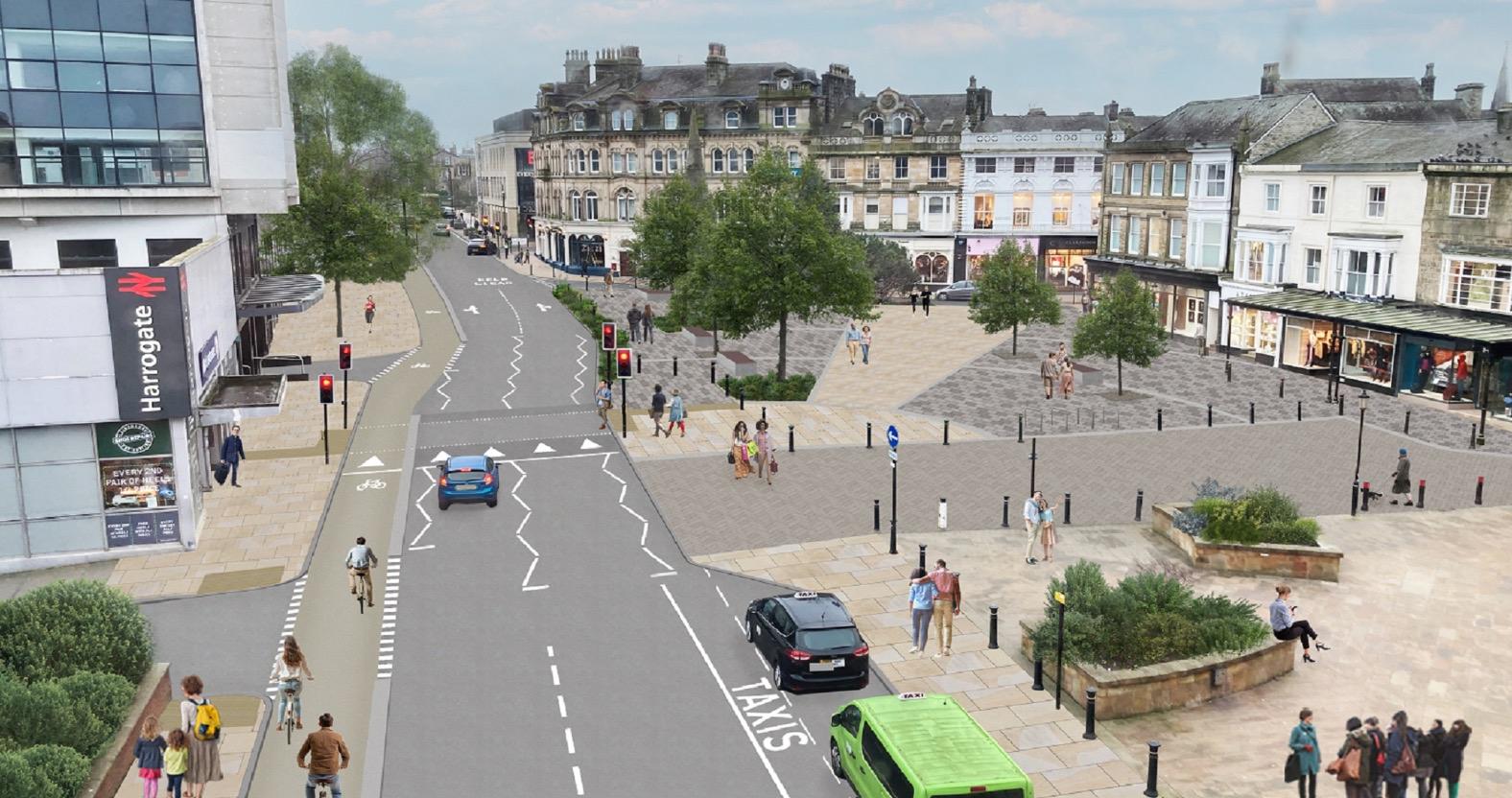
Designs for Station Parade under the Harrogate Station Gateway scheme.
That may be its ambition, and I am not opposed to investment or improvement.
But what happens to the independent retailer, café or hospitality business that cannot survive the disruption long enough to benefit from the finished project?
Consultation and reassurance are not the same as financial protection.
Before construction begins, North Yorkshire Council should publish a comprehensive Business Impact Assessment, establish clear measures to maintain access and footfall, and explain what practical assistance will be available to businesses suffering significant losses.
What use is a beautifully improved town centre if the independent businesses that gave it character have disappeared before the work is finished?
Brierley Homes: a question of priorities
There is another issue that raises serious questions about North Yorkshire Council's understanding of commercial realities.
Brierley Homes, the council-owned housing development company, reportedly recorded losses of approximately £7.8 million in 2025/26, with further substantial losses forecast.
We have also learned of millions of pounds in council loans provided to support its financial position.
Brierley Homes.
I recognise the importance of housing development, including affordable housing, and I accept that publicly owned companies can have wider social objectives.
But there must be accountability, financial discipline and proper scrutiny when public money is at risk.
And this raises a fundamental question.
Why can substantial financial intervention be considered appropriate to support a council-owned business, while independent businesses facing disruption from council projects have no equivalent, clearly established safety net?
The circumstances are not identical, but the contrast in approach deserves examination.
Private business owners do not have the luxury of calling upon public funds whenever their finances deteriorate.
They face the consequences personally, sometimes losing not only their livelihoods but years of investment and hard work.
Surely a council that operates its own commercial companies should understand that reality.
A council that works with business, not against it
I want North Yorkshire to prosper.
I want thriving town centres, successful independent businesses, good employment opportunities and communities where people can build secure futures.
But prosperity cannot simply be measured by the value of infrastructure projects or the amount of public money invested.
It must also be measured by the businesses that survive, the jobs that are protected and the opportunities created.
I believe North Yorkshire Council should introduce three fundamental changes:
1. Mandatory, proportionate Business Impact Assessments before major or prolonged infrastructure projects, including assessments of cumulative disruption.
2. A fair and transparent business hardship and mitigation scheme, with independently assessed eligibility for businesses suffering demonstrable losses directly attributable to council-commissioned works.
3. Meaningful engagement with independent businesses, not simply informing them of decisions already made, but involving them in how projects are planned, phased and delivered.
These are practical, reasonable proposals.
They recognise that public infrastructure and private enterprise are not opposing interests. Both are essential to healthy, prosperous communities.
People and place must come first
The closure of any independent business should concern us, not simply because of the economic consequences but because of what it means for the people behind it and the community it served.
I wish everyone associated with Harlow Hill Coffee House well.
As someone who has experienced the challenges of running a business on Otley Road, I believe we must do better.
North Yorkshire Council needs to demonstrate that it genuinely understands the pressures facing small businesses, rather than simply describing itself as supportive of enterprise.
Because being on the side of business is not about what you say in a council chamber. It is about what you do when businesses need you most.
And until that changes, I fear more independent businesses will disappear from the communities we are supposed to serve.

1