Thank you for your interest in this story
To continue reading this article, subscribe to the Stray Ferret for as little as £1 a week
Already a subscriber? Log in here.
06
Nov
Harrogate hospital makes 'obscene' £160,000 from staff parking
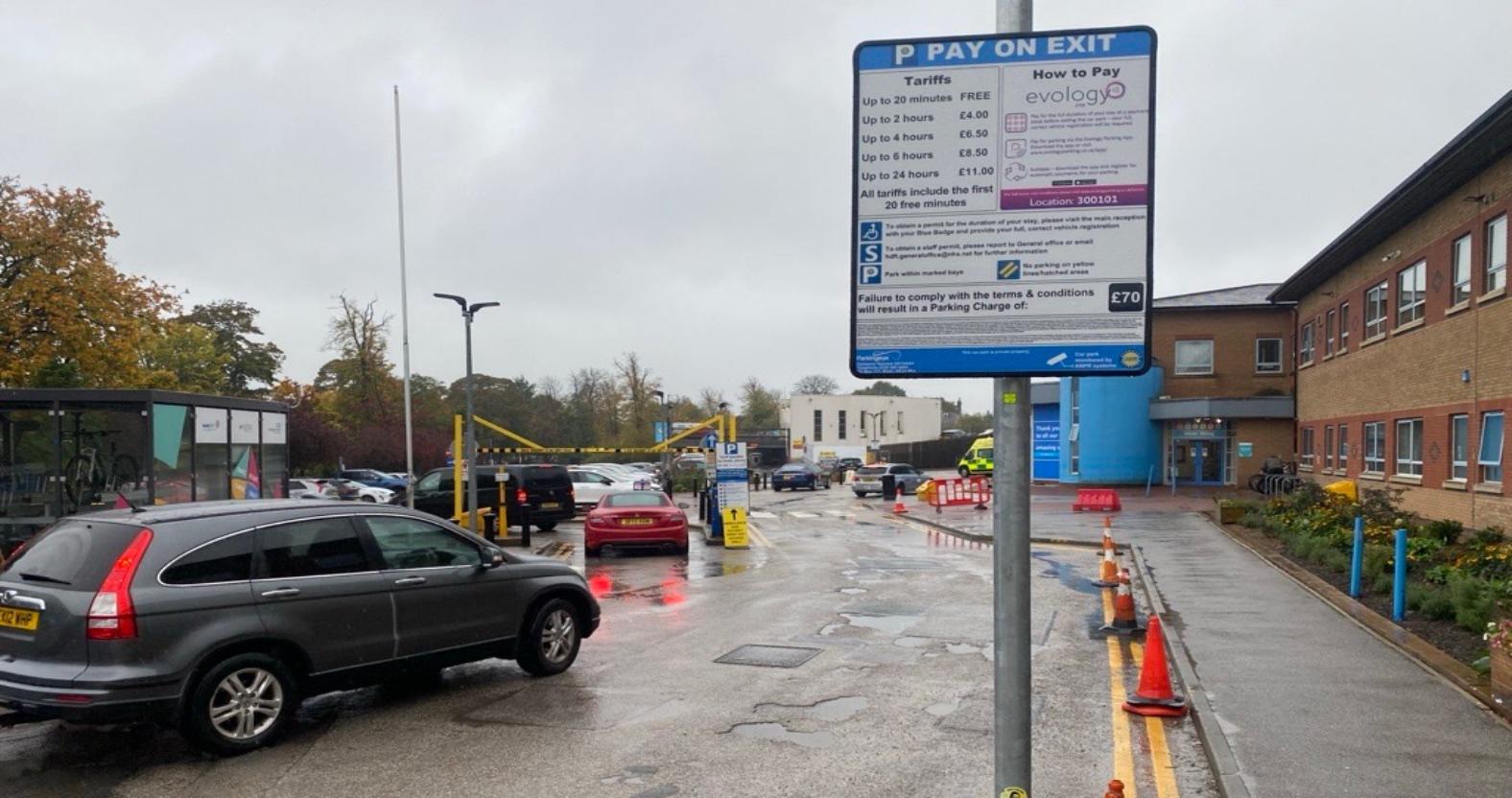
Harrogate District Hospital made nearly £160,000 from staff parking charges, according to latest data.
Harrogate and District NHS Foundation Trust, which runs the hospital, implemented an automated number plate recognition system car park in September 2023.
The trust charges staff and visitors to park at the hospital under the system, which has been met with criticism from unions.
According to figures from NHS England, the trust made £159,651 from staff parking fees in the last financial year.
The figure is a 2.3% increase on 2024/25, when the trust made £156,121 from parking fees for its workforce.
The move has led to the GMB Union, which represents some health workers, to call for the charges to be scrapped.
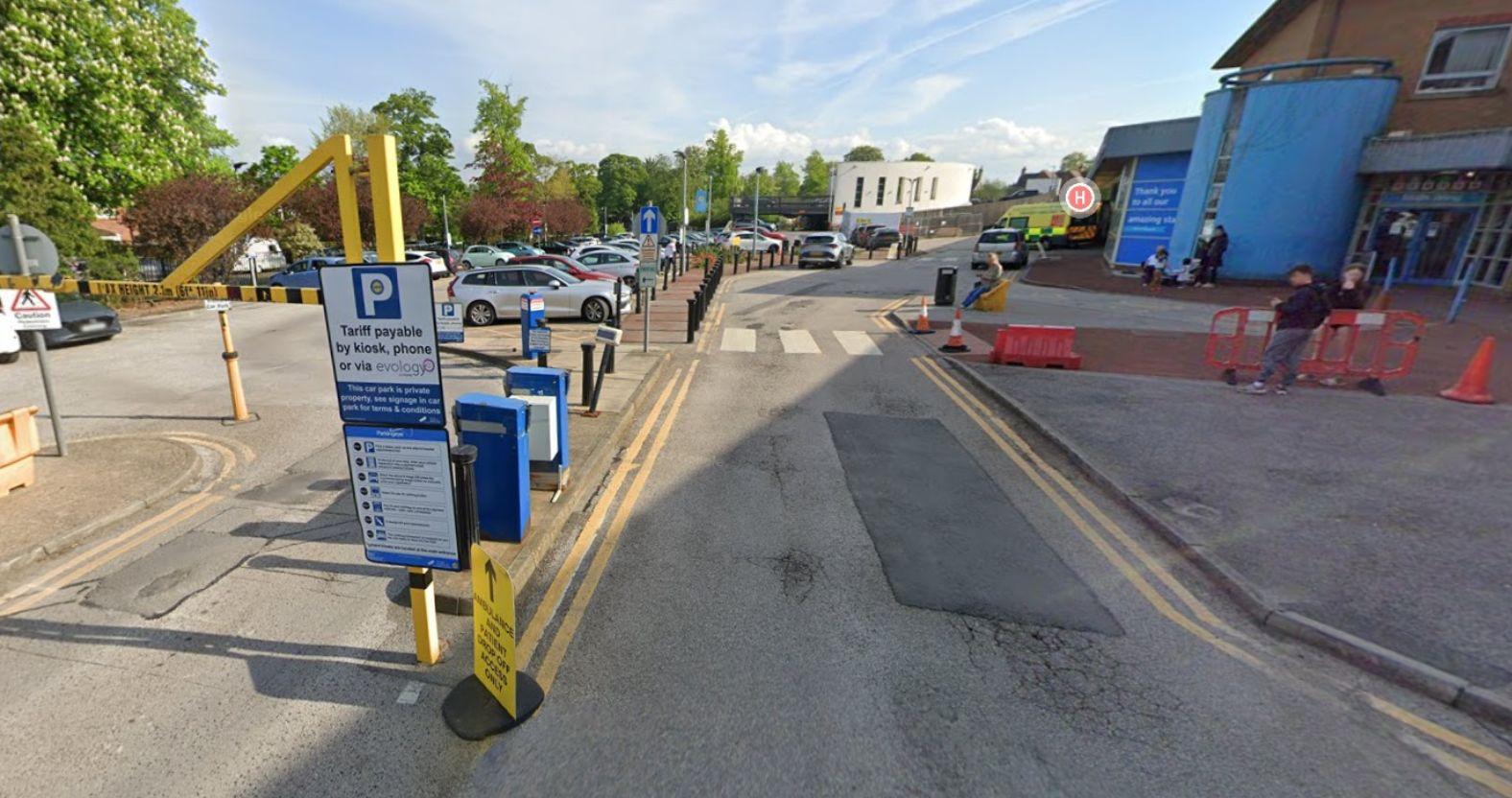
Parkingeye operates a ticketless system at Harrogate District Hospital. Image: Google Streetview.
Analysis of NHS data from the union showed that workers across Yorkshire paid £11.7 million in parking fees last year, with Leeds Teaching Hospitals raising the most income with £2.3 million in fees.
Rachel Harrison, GMB national secretary, said:
It's utterly obscene we are still having this debate in 2026. On what planet is it a good idea to charge health workers just for going to work?
Despite finally getting a pay rise under the Labour government, NHS workers are underpaid and massively overstretched. They're trying to save lives on a shoestring budget inside a creaking system.
They need our help and support, not having pounds pinched out of their pocket just for trying to do their job.
Meanwhile, NHS figures show that the Harrogate trust made £980,837 from visitor parking fees last year.
This is an increase from £910,868 in 2024/25.
According to the data, the trust income from fees rose from £486,108 in 2022/23 to £736,856 in 2023/24 — the year that the parking system was introduced.
A spokesperson for Harrogate and District NHS Foundation Trust said:
Like many NHS organisations, Harrogate and District NHS Foundation Trust charges for staff parking. Income generated through staff, visitor and patient parking contributes towards the costs of a range of essential services, including those that support patient care.
This income helps reduce pressure on the Trust's wider budget. Without it, additional funding would need to be found from resources that support the delivery of healthcare services.
Parking at Harrogate District Hospital is limited, with demand often exceeding the number of spaces available. Charging for parking helps ensure the limited parking available is used fairly and efficiently, while encouraging those staff who are able to do so to consider alternative travel options, such as public transport, cycling, walking or car sharing.
We recognise that parking charges represent an additional cost for staff and work to keep our arrangements proportionate and affordable. Our approach seeks to balance the needs of staff, patients and visitors while ensuring NHS resources are used responsibly.
‘It’s a lot better than it used to be’
The trust implemented a ticketless system in September 2023, which hospital officials said would help to reduce congestion on Lancaster Park Road.
Under its contract with parking company Parkingeye, which lasts until October 2028, fees charged at the car park are kept by the trust. The parking company, which manages the site on the trust's behalf, makes its money from fines — also known as parking charge notices.
However, the move led to complaints from multiple Stray Ferret readers that they had been unfairly fined by the company.
As a result, the Stray Ferret called on the government to introduce legislation to properly regulate the private parking industry after receiving numerous complaints from readers who had been forced to pay unfair charges by Parkingeye.
In an interview with the Stray Ferret in February 2024, Jonathan Coulter, chief executive at the Harrogate trust, said he felt the system was better than it had been previously.
He said:
There has been teething issues, we know that and we acknowledge that.
I think if we looked back six to 12 months to what it used to be like - it’s not perfect now by any means - but it’s a lot better than what it used to be.

2