Thank you for your interest in this story
To continue reading this article, subscribe to the Stray Ferret for as little as £1 a week
Already a subscriber? Log in here.
02
Nov
Developer says 140-home Killinghall scheme could help fund village infrastructure
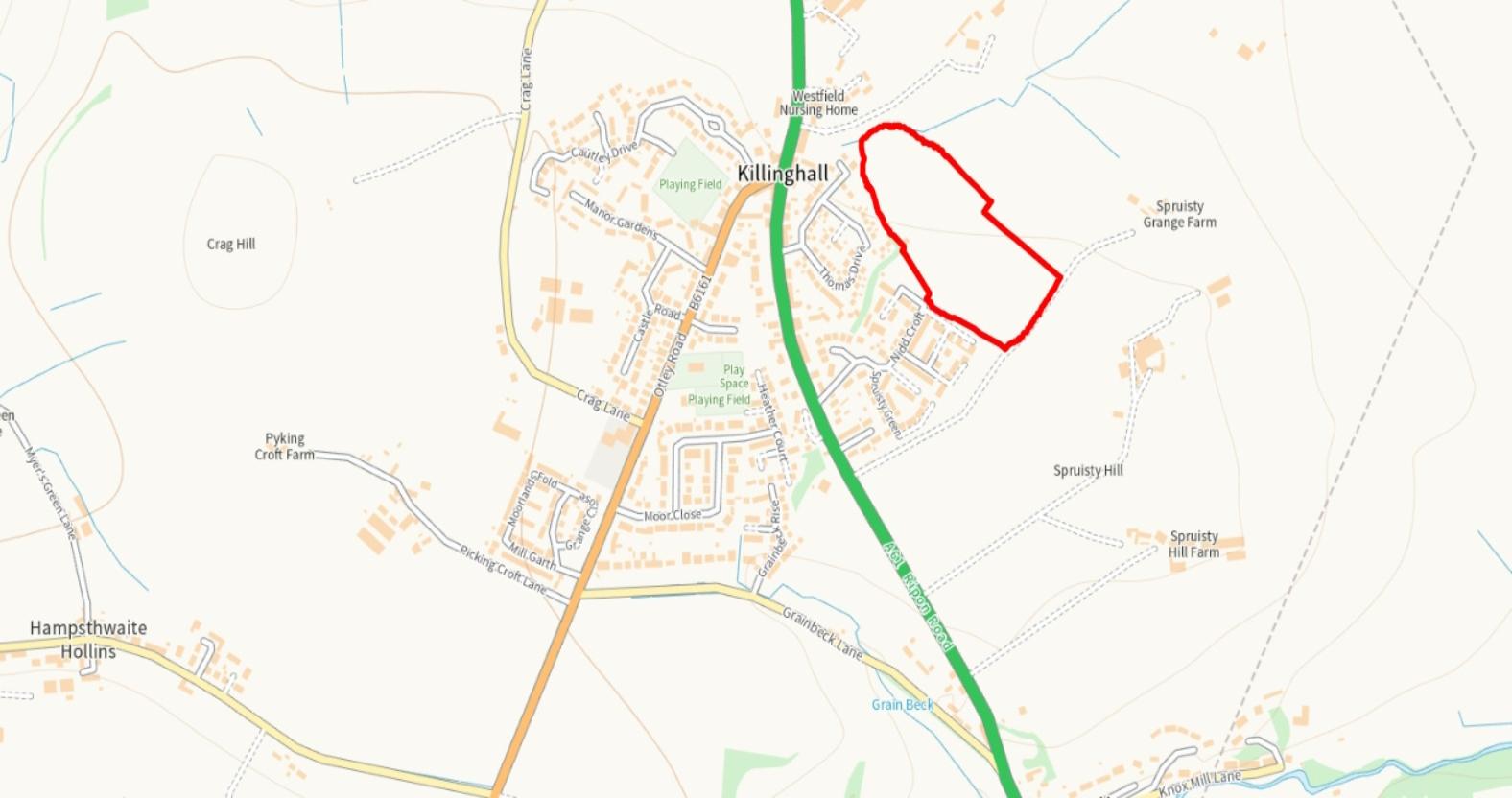
Existing infrastructure pressures in a North Yorkshire village could be addressed through funding from a developer proposing to build up to 140 new homes on farmland, it is claimed.
Housebuilder Vistry East Yorkshire is preparing plans for the development on around 5.6 hectares of fields north of Nidd Croft in Killinghall, near Harrogate.
The proposals include 55 affordable homes, public open space, a children’s play area and landscaping, with vehicle access through the existing Nidd Croft housing estate.
The development would feature a mixture of one, two, three and four-bedroom properties, predominantly two to two-and-a-half storeys high.
The land lies immediately alongside existing housing at Nidd Croft and Thomas Drive, where residential developments have been built in recent years.
Plans also include pedestrian and cycle links connecting the new estate to Thomas Drive, landscaping along the northern and eastern boundaries, and the retention of existing trees where possible.
Pressure on services
The developer has submitted a request asking North Yorkshire Council to determine whether the scheme requires a full environmental impact assessment (EIA) before a planning application is made.
Its consultants, ID Planning, argue the development would not have significant environmental effects and that a full assessment should not be necessary.
However, the documents acknowledge existing infrastructure pressures in Killinghall, particularly relating to highways, schools and healthcare.
The report states:
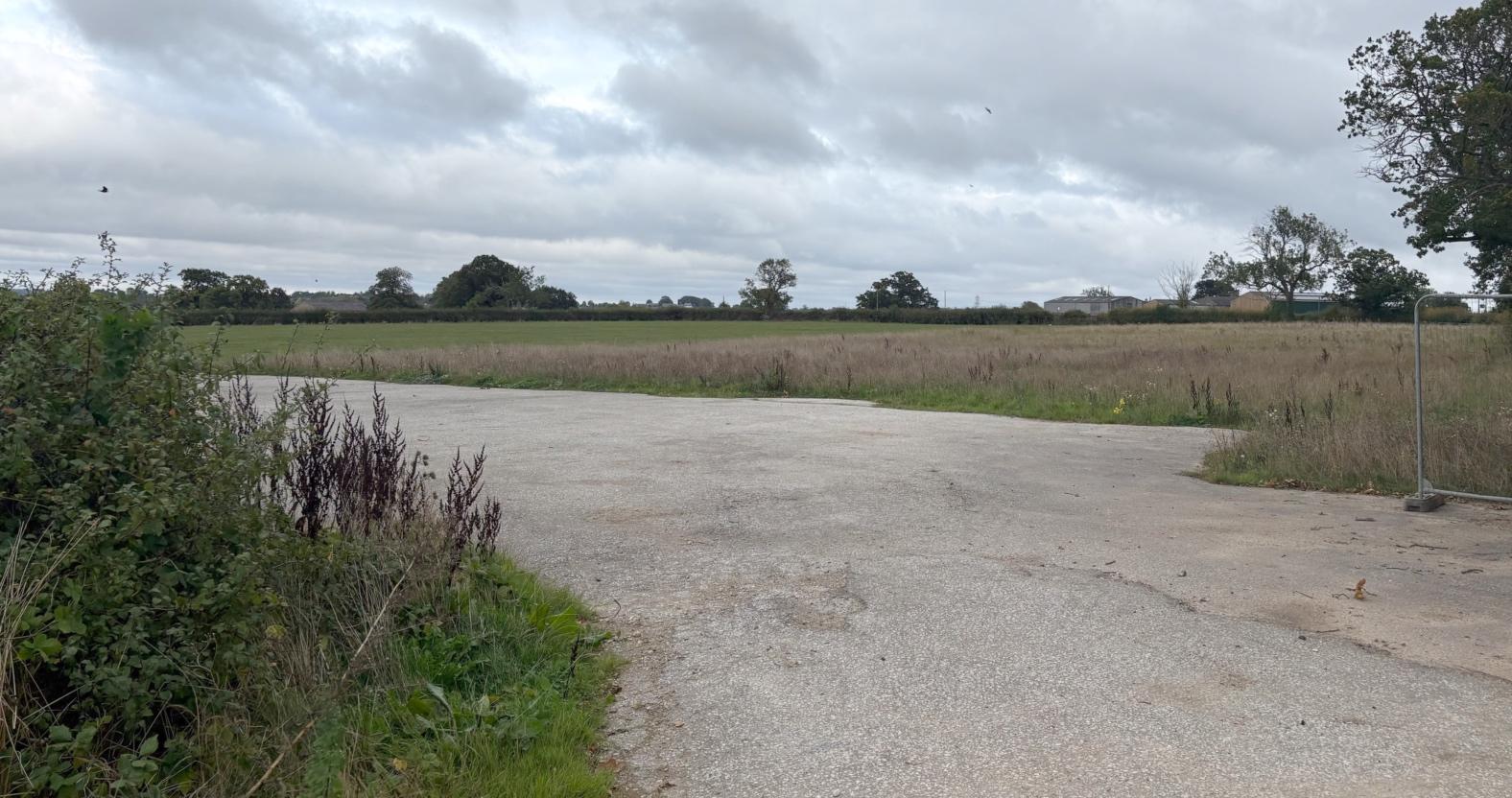
The land at Nidd Croft in Killinghall, which is earmarked for new homes.
“It is understood there are infrastructure constraints in Killinghall and cumulative impacts are being considered via the Killinghall Infrastructure Delivery Consortium.”
It says the additional population would place some pressure on local services, although any necessary improvements could be funded through financial contributions from the developer.
Highway infrastructure constraints are also acknowledged, with the report stating the combined impact of the proposed development and other housing schemes would need further assessment.
Vehicle access would be through Nidd Croft and Crofters Green onto the A61.
A transport assessment and travel plan would accompany a future planning application, examining additional traffic and measures to reduce reliance on cars.
Traffic increase
The development would result in the permanent loss of agricultural land, while construction could generate temporary increases in traffic, dust and noise.
The site is considered to be at low risk of river flooding, although an area of surface water flood risk has been identified along its north-western boundary.
The developer says drainage improvements and landscaping would help address environmental concerns.
The report concludes the proposed development would not have significant environmental effects, either individually or in combination with other developments.
It states:
Whilst the decision remains with North Yorkshire Council (as the local planning authority), this report concludes that the proposed development including associated mitigation will not require an EIA, as it is considered unlikely to result in significant environmental effects.
The residents’ group Killinghall Together has argued that the village has already experienced substantial housing growth without corresponding improvements in facilities.
Its concerns include the closure of the village GP surgery, pressure on the primary school, the loss of pubs and the limited range of local amenities. Campaigners also fear that further development could erode Killinghall’s rural identity.

0