Thank you for your interest in this story
To continue reading this article, subscribe to the Stray Ferret for as little as £1 a week
Already a subscriber? Log in here.
19
Nov
Councillors divided over allowance increase during cost-of-living crisis
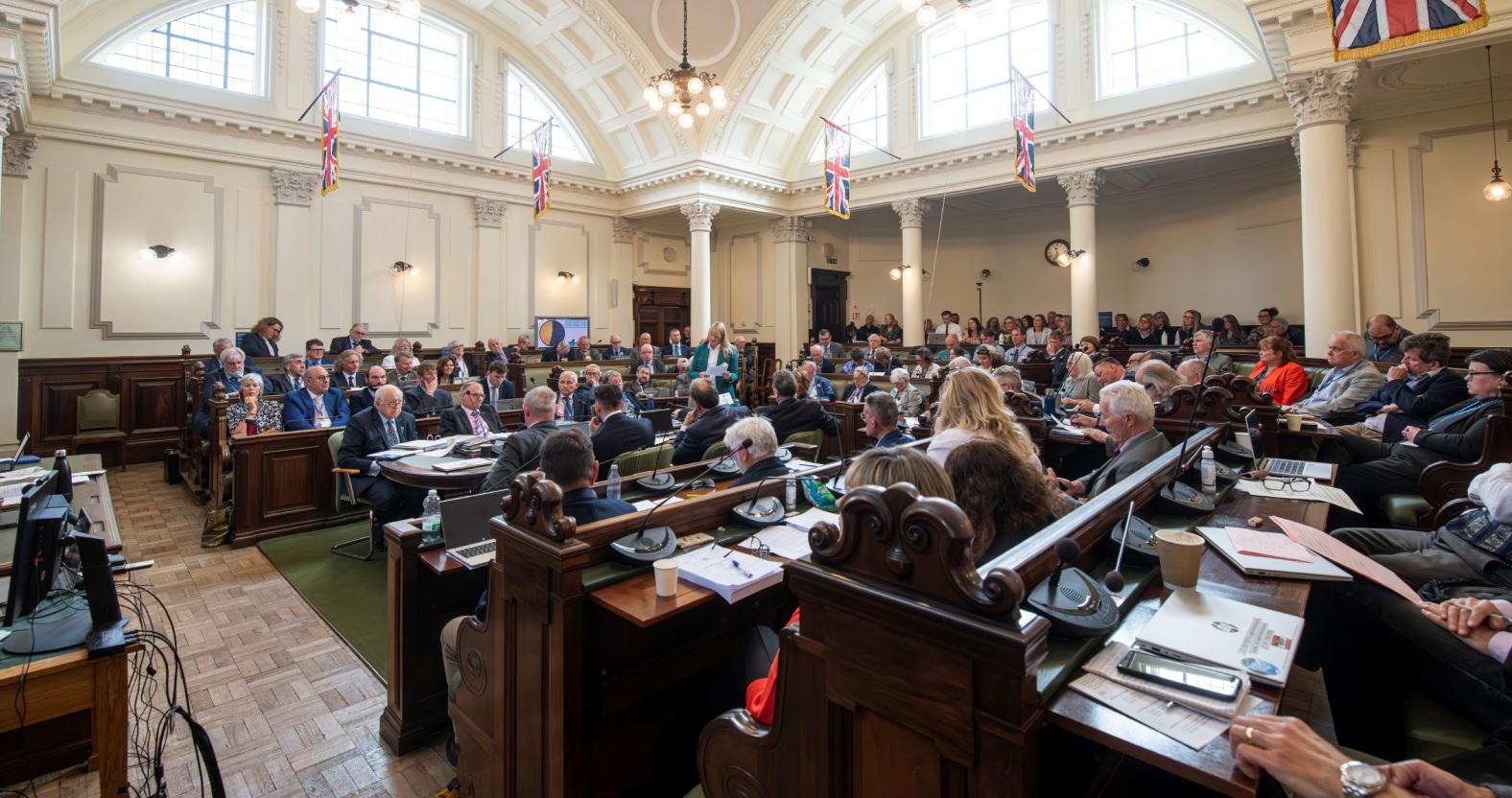
North Yorkshire councillors have agreed to increase their allowances to more than £18,400 a year amid claims that higher payments are needed to attract younger people into local politics.
Members of North Yorkshire Council approved a 2.6% increase in their basic allowance from £17,964 to £18,431.06 for 2027/28 at a full council meeting in Northallerton on Wednesday.
The increase, recommended by an independent remuneration panel, will also apply to additional allowances paid to councillors with special responsibilities, such as executive members and committee chairs.
The changes will cost the authority an additional £36,059 a year.
However, the decision prompted a debate over whether councillors should be paid more to reflect their workload and encourage a wider range of people to stand for election.
Appleton Roebuck and Church Fenton councillor Andrew Lee argued that keeping allowances low discouraged people who could not afford to give up their time to serve on the council.
He said:
There’s no advantage whatsoever in keeping allowances suppressed. All it does is prevent people from participating.
There are people in this chamber who are wealthy enough to be here. Some of us could do this for free, but others are not in that position.
Where are the younger people? Where are the working people, the carers and all those people we say we’re standing up for when we make policies?
They’re not sitting around this table making decisions. There are some exceptions, but not many.
Cllr Lee said the council had a poor record of attracting people from different backgrounds and argued that the complexity of councillors’ work justified higher allowances.
He said some members spent hours attending meetings, dealing with residents’ concerns and reading lengthy reports, meaning their allowance could work out at less than the minimum wage.
He added:
You can call it an allowance, and that may have been appropriate 50 years ago, but the complexity of the work carried out by councils today demands a better and more professional rate of pay, in my opinion.
Cllr Lee also called for a national body to set councillors’ allowances in England, pointing to higher basic payments in Scotland and Wales.
He said:
Backbench councillors in Scotland receive £27,000 a year as a basic allowance, while in Wales it’s £22,000.
Why should English councillors be treated like second-class citizens?
Inappropriate
However, Malton councillor Lindsay Burr opposed the increase, arguing that it was inappropriate during the cost-of-living crisis.
She said:
I don’t see why we should have an increase. I understand that we can either accept it or donate it to charity, but it’s the principle of the matter.
We are in the middle of a cost-of-living crisis, and I just don’t think this is the right time.
Cllr Burr suggested that, with the current council term nearing its end, the decision could be left to councillors elected next May.
She added:
Although the independent panel makes its recommendations, we don’t have to accept them.
I think that, given the cost-of-living crisis, the right thing to do would be not to accept the increase on this occasion.
Eastfield councillor Tom Seston questioned whether the independent remuneration panel could be asked to review allowances at the start of each new council term, with subsequent annual increases linked to inflation.
However, the meeting heard that the council could not require the panel to adopt such an approach because it determined its own procedures.
The panel’s report said allowances needed to reflect the considerable time commitment involved in being a councillor while ensuring that financial barriers did not discourage people from standing for election.
The new basic allowance represents an increase of £467.06 a year for each councillor.
The council’s overall allowances bill is expected to rise by around £36,000, taking into account both basic allowances and additional payments for councillors with special responsibilities.
The number of councillors will also fall from 90 to 89 following next May’s local elections.

1