Thank you for your interest in this story
To continue reading this article, subscribe to the Stray Ferret for as little as £1 a week
Already a subscriber? Log in here.
21
Oct
Bilton residents kept awake into the early hours – by sewage tractors

Residents of Bilton in Harrogate have been kept awake by noisy engines and flashing lights this week as convoys of tractors have rumbled past their homes as late as three o'clock in the morning.
Some have taken to Facebook to vent their frustration, one writing yesterday:
I'm absolutely shattered... the tractors are flying down Bachelor Gardens all night for the last two nights.
It turns out the lorries have been deployed by Yorkshire Water and are making trips to Harrogate North wastewater treatment works, where the company has encountered problems completing its phosphorous removal scheme.
A Yorkshire Water spokesperson told us:
We’re currently completing a £5 million upgrade at the Harrogate North wastewater treatment works, which sits next to Bachelor Gardens, to help improve the water quality in the River Nidd. Part of the work includes refurbishing existing equipment at the site, including a sand filter, which removes solids from wastewater by passing flows through a bed of sand and gravel.
During the refurb, we have experienced some difficulty relating to the filter, and we currently need to use tractors to help mitigate – keeping the site running as usual and preventing any impact on the environment or to our customers. We appreciate that the tractors are causing disruption to residents on Bachelor Gardens and apologise for this.
We’re looking to resolve the issue as soon as possible.
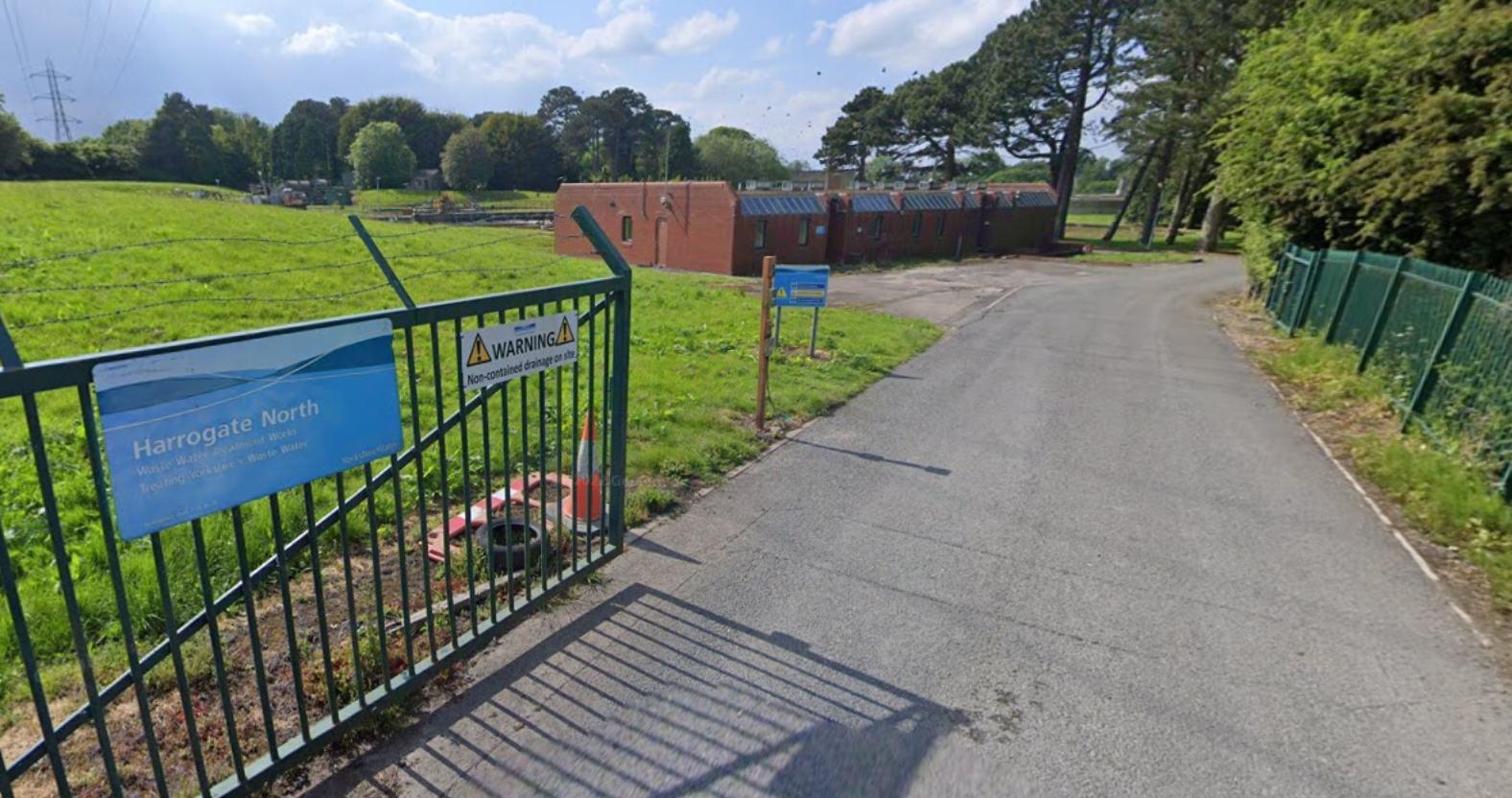
Harrogate North wastewater treatment works at the end of Bachelor Gardens in Bilton.
Yorkshire Water's Harrogate North wastewater treatment plant lies near the confluence of Oak Beck with the River Nidd, and it scheme to remove phosphorous from wastewater is intended to improve water quality in the Nidd.
Phosphorus is a normal part of domestic wastewater, entering the sewer system via showers and washing machines through products such as shampoo and liquid detergent. It can also wash off from agricultural fields after the use of fertilisers and be dissolved from soil which can be difficult to control.
A small amount of phosphorus is harmless and is an essential part of many ecosystems, but it can become damaging to human and animal life when unmanaged. It can cause algae on waterways, which blocks out sunlight for other plants, causing harm to a range of water-based life.

2