05
Sept
Bailey Chadwick: A tragic court case 14 months in the making
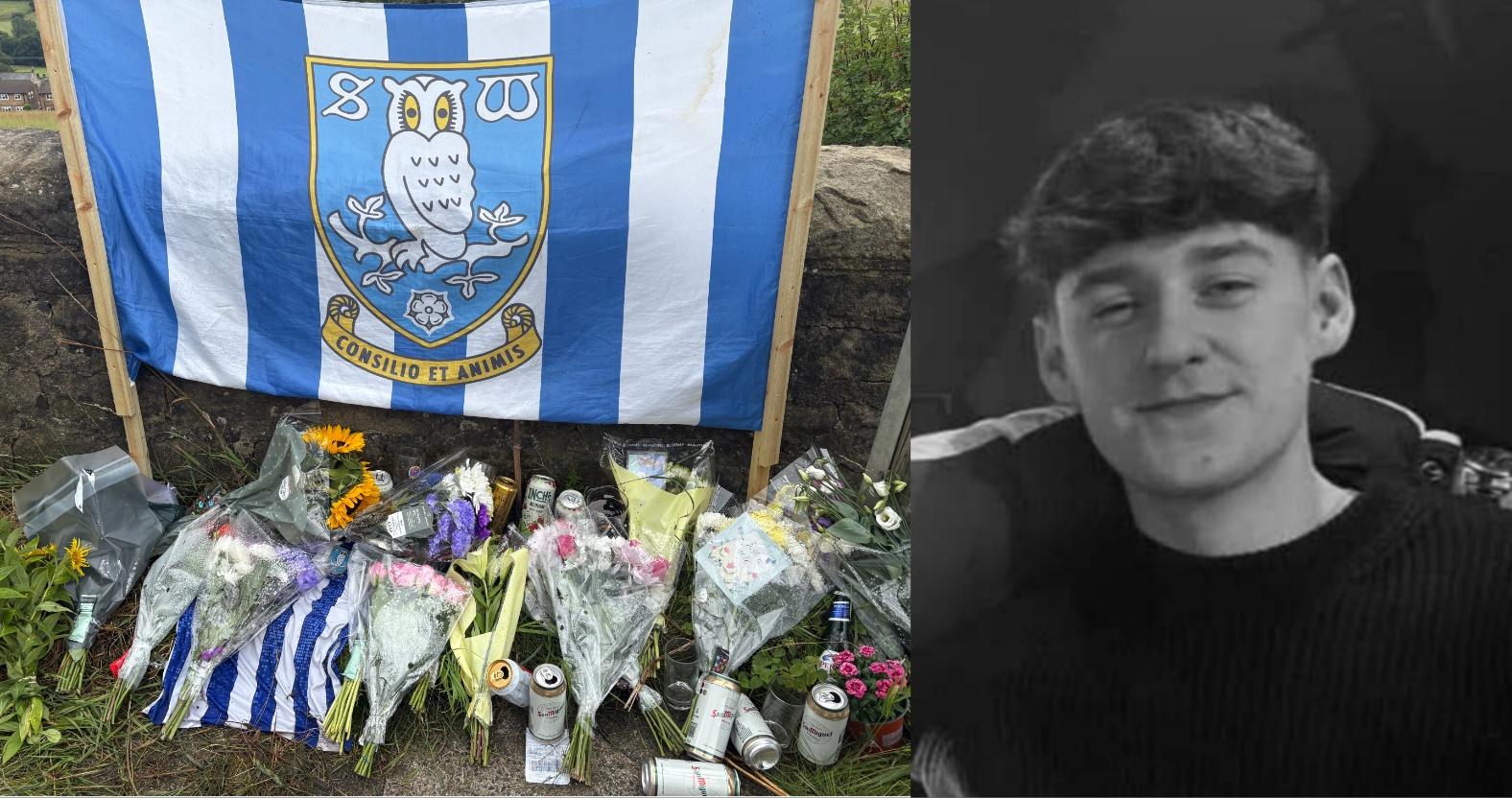
In the early hours of July 20, 2025, Bailey Chadwick was walking home after a shift at the Royal Oak pub in Pateley Bridge.
It was a walk he had done many times before.
Fourteen months later, his family and friends are packed into courtroom one of Harrogate Magistrates Court as Joseph Stott, a 25-year-old man from Darley, was due to stand trial on charges linked to Bailey’s death.
The saga, which spans multiple police appeals, a plea directly to an alleged perpetrator and months of legal wrangling inside the courts of law, is over.
But, for Bailey’s family, in the word’s of his mother Dayle Knight, their world is shattered.
A night of boxing
On the night of Saturday, July 19, Joseph Stott had been in Headingley — an area of Leeds mostly populated by students — to watch a boxing match with friends and his girlfriend.
Oleksandr Usyk was fighting Daniel Dubois at Wembley Stadium — a heavyweight title fight which had garnered heavy publicity.
Harrogate Magistrates Court was told that Stott had spent the evening at the Original Oak pub and Box bar, both of which would have been showing the boxing.
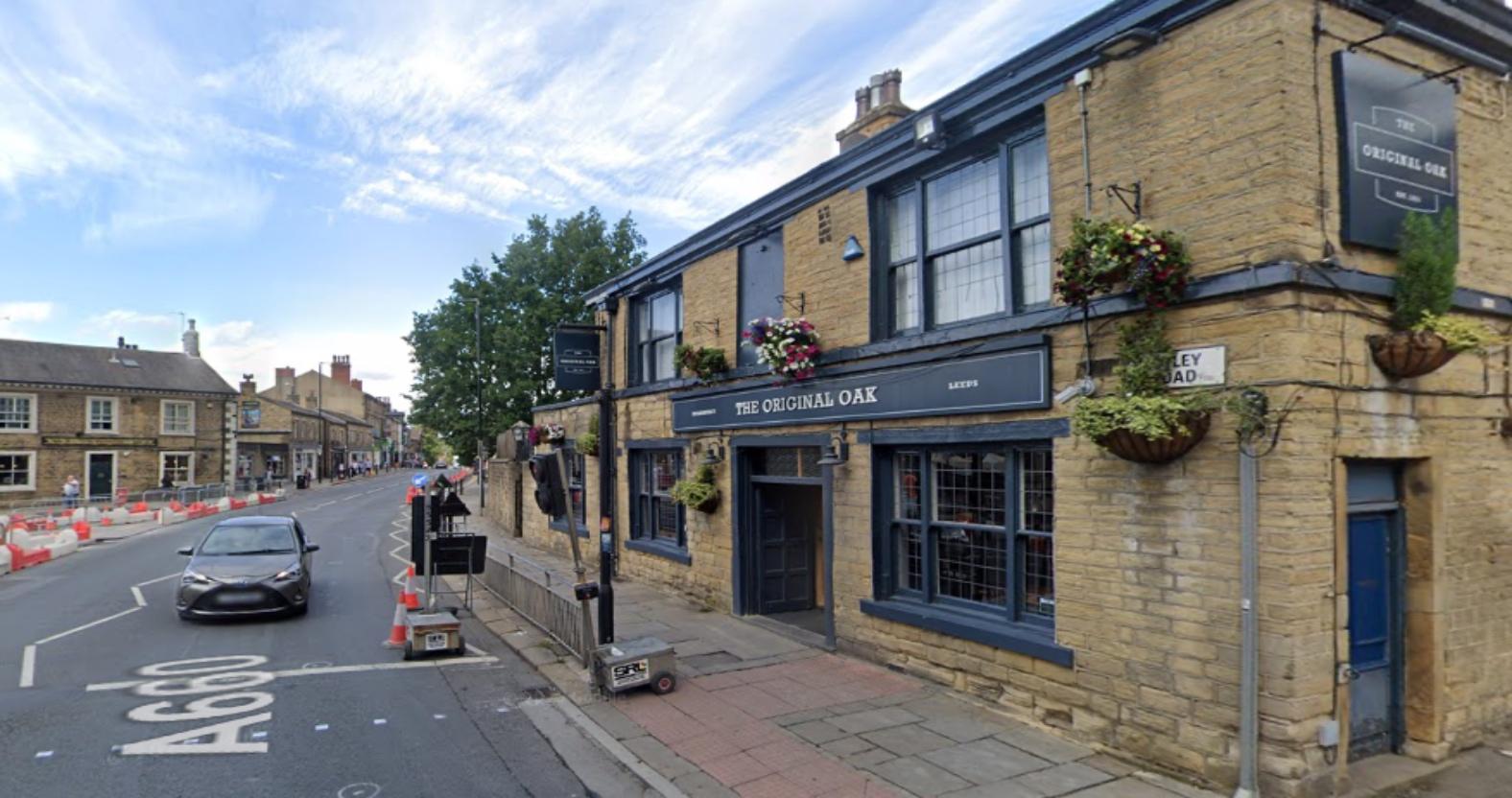
The Original Oak pub in Headingley. Picture: Google.
On the night, Stott, 25, had spent the evening drinking. CCTV showed him making multiple trips to the bar, where he bought wine, pints of cider, lager, Jagermeister and shots of baby Guinness.
At 1.40am, Stott and his girlfriend left Headingley in a taxi to go to his partner’s cousin’s house on Low Lane in Horsforth, where they planned to stay for the night.
Around four minutes later, the 25-year-old stopped at a Shell garage at the junction with Broadway and Low Lane in Horsforth, where he bought a vape and was described by a worker at the garage as stumbling and slurring his words.
Footage from Stott’s girlfriend’s phone, which the prosecution showed in court, showed Stott and his partner having an argument in the taxi prior to pulling up to the garage.
At 2.15am, Stott, who is an estate agent, got into his blue Ford B-max car after arguing with his partner to drive to Pateley Bridge. He later told a probation officer that he wanted to “remove himself” from the situation.
It was from here that his decision would land him in the courtroom in Harrogate on a Thursday morning 14 months later.
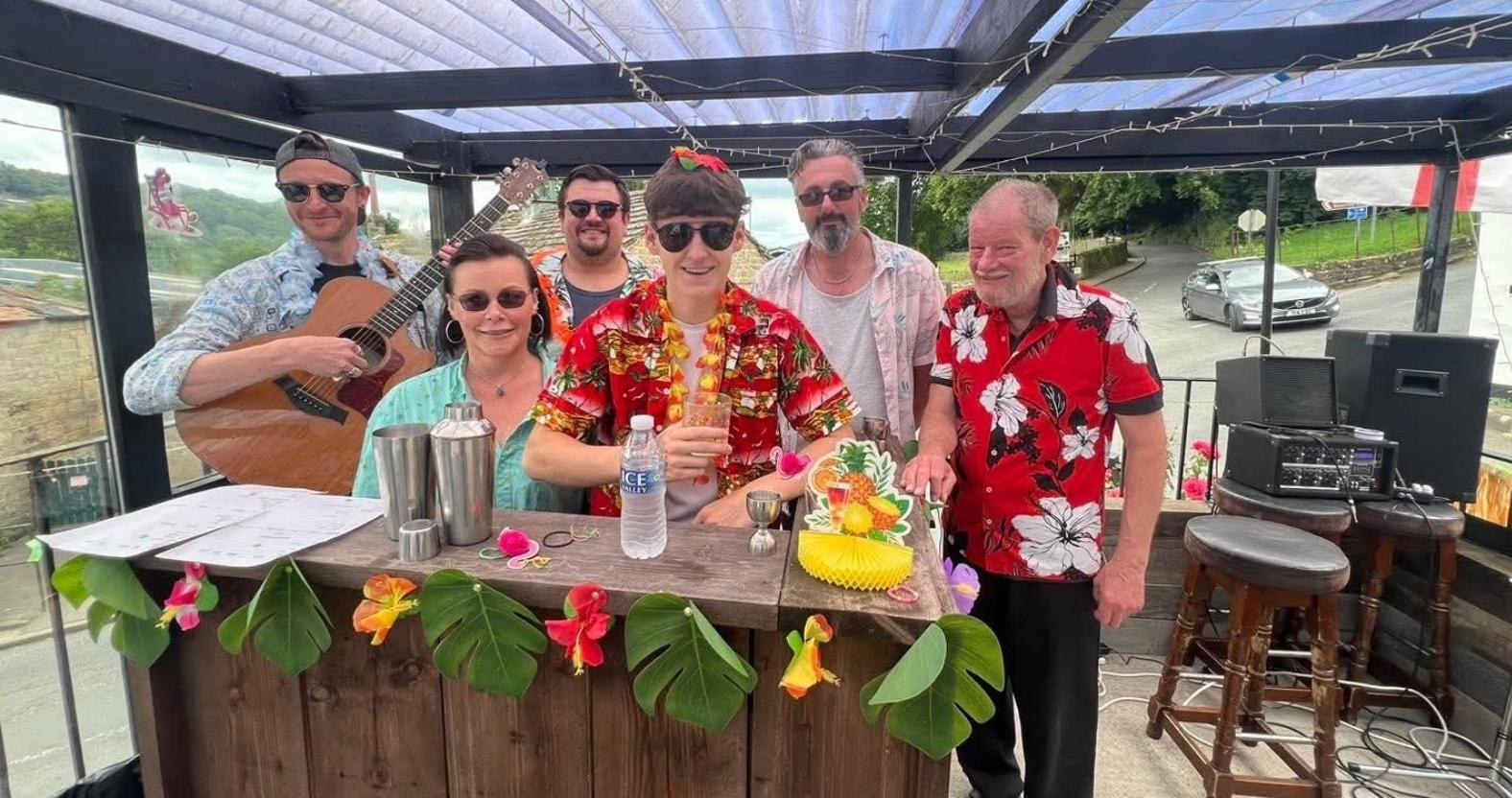
Bailey Chadwick (centre) at the Royal Oak, where he worked.
Stott encountered Bailey, 19, at 2.57am, prosecutor Curtis Dunkley told magistrates on Thursday after driving to Pateley Bridge using mainly rural roads.
He drove over Bailey, who was lying in the middle of the road. Both the prosecution and defence agreed that it was unexplained as to how the 19-year-old came to be lying in the middle of the road.
The prosecution made clear that it was not their case that Stott caused the death of Bailey.
Mr Dunkley repeatedly told the court that it had been accepted that the collision was “unavoidable” and that even a careful driver would not have been able to avoid Bailey.
Stott arrived at his home address at 3am that morning.
But, it would not be for another four days that police would arrest him in connection with Bailey’s death.
Arrest and charge
Stott was arrested on July 24, 2025, on suspicion of causing death by dangerous driving.
Part of his bail conditions prevented him from entering North Yorkshire. The court was told on Thursday that he now lives at an undisclosed address in West Yorkshire.
His arrest came after three days of multiple police appeals, which included a tearful public plea from Bailey’s mother and stepfather, Dayle Knights and Daniel Horler, at a a press conference alongside the B6265 at Lupton Ban where Bailey died. They appealed for the driver to “do the right thing” and come forward.
But it would be five months later in December 2025 that Stott was charged with driving over the prescribed limit and driving without third party insurance.
The following month, he was charged with a further two offences of failing to stop after a road traffic collision and failing to report a road traffic collision.
At the time, North Yorkshire Police said Stott was still under investigation for causing death by dangerous driving.
Court case
Stott first appeared at Harrogate Magistrates Court on February 12 this year.
At the time, he pleaded not guilty to drink-driving, failing to stop after a road accident and failing to report a road accident.
He admitted one offence of driving without third party insurance.
What transpired was seven months of legal wrangling.
Stott later denied a driving while unfit through drink charge in May this year.
The charge was determined by a forward calculation due to Stott not being arrested until four days after the collision.
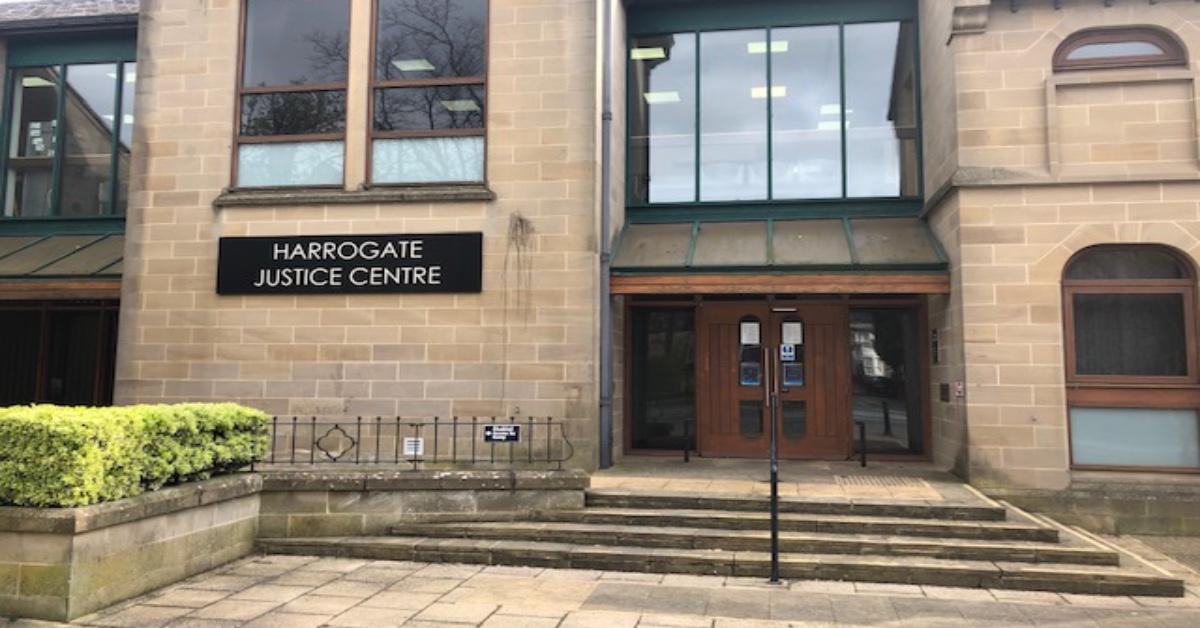
Harrogate Magistrates Court, Victoria Avenue.
On Thursday this week, the 25-year-old appeared for his trial.
The public gallery, which included Bailey’s family and friends and three members of Stott’s family, watched on inside courtroom one in Harrogate Magistrates Court.
The case was delayed for an hour or so.
Stott, who was wearing a blue jumper and white shirt, entered court at around 11.30am where he changed his plea to guilty on the driving while unfit through drink charge.
The prosecution offered no evidence on failing to stop after a road accident and failing to report a road accident charges.
Stott’s change of plea did not stop the defence, Philip Morris, from being critical of the prosecution’s case.
Mr Morris told the court that the police and prosecution had made “assumptions” over how impaired Stott was to drive, which could not be substantiated. He added that the investigation had been “fundamentally flawed”.
He pointed out that an investigation had concluded that Stott would not have been able to see Bailey lying in the road and that it was an unavoidable collision.
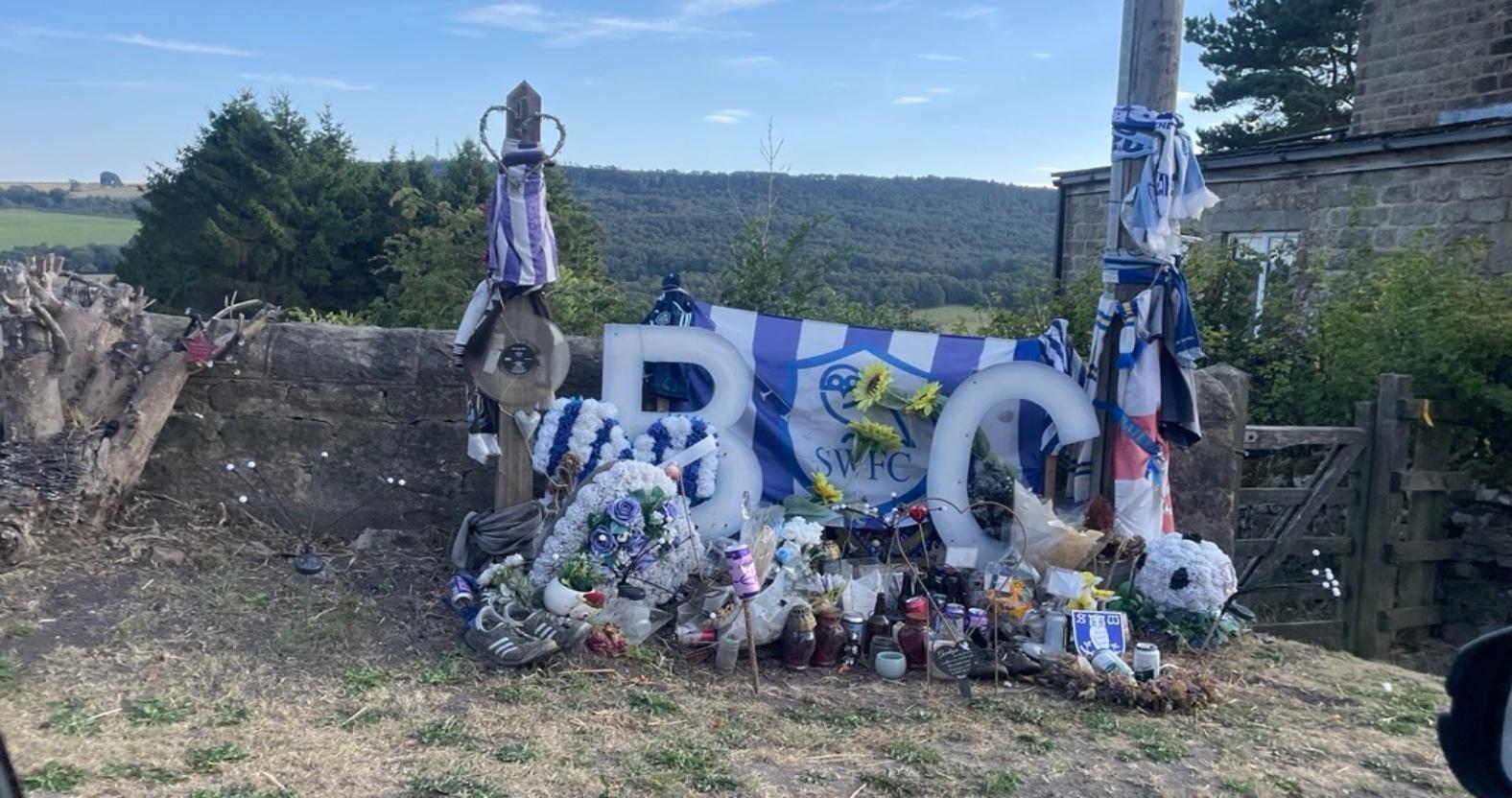
A shrine to Bailey Chadwick alongside the road on which he died.
Collision data, which Mr Morris referred to in court, found that Bailey would have been visible from about 55 metres away, which would be illuminated by car headlights, and give a driver two seconds to react.
Mr Morris said:
It has always been his case he had no idea he had passed over the body of Bailey. He had no knowledge subsequent to the accident the next day.
Mr Morris conceded that Stott made a “fundamentally flawed” decision to get in his car and drive home. But he added that the 25-year-old never intended to intentionally break the law.
District Judge Mark Daley sentenced Stott to a 12-month community order, which included 10 rehabilitation activity days, 135 hours of unpaid work and an 80-day alcohol abstinence requirement.
He was also disqualified from driving for 20 months and ordered to pay £400 in court costs and a victim surcharge of £114.
‘The impact of his death is permanent’
Stott exited court through a crowd of Bailey’s family on the pavement outside.
The court appearance bookended what was a lengthy, yet tragic, period of time for the 19-year-old’s loved ones.
Later on Thursday evening, Ms Knight made a public statement through the police.
In the final paragraph, she pointed out something that a court case in a nondescript, cold room on Victoria Avenue in Harrogate could not undo — the loss of her son.
She said:
Bailey deserved to live. He deserved to travel, to love, to grow, to build the future he dreamed of. Instead, we are left with memories, heartbreak, and a lifetime of wondering who he would have become. The impact of his death is permanent – for me, for our family, for his friends, and for the community that loved him. Nothing will ever undo the pain of losing him, and nothing will ever make this right. I cannot believe this is my life now.

0